| Edit | Map | Home |  |
New Post | New Gallery |
Support
|

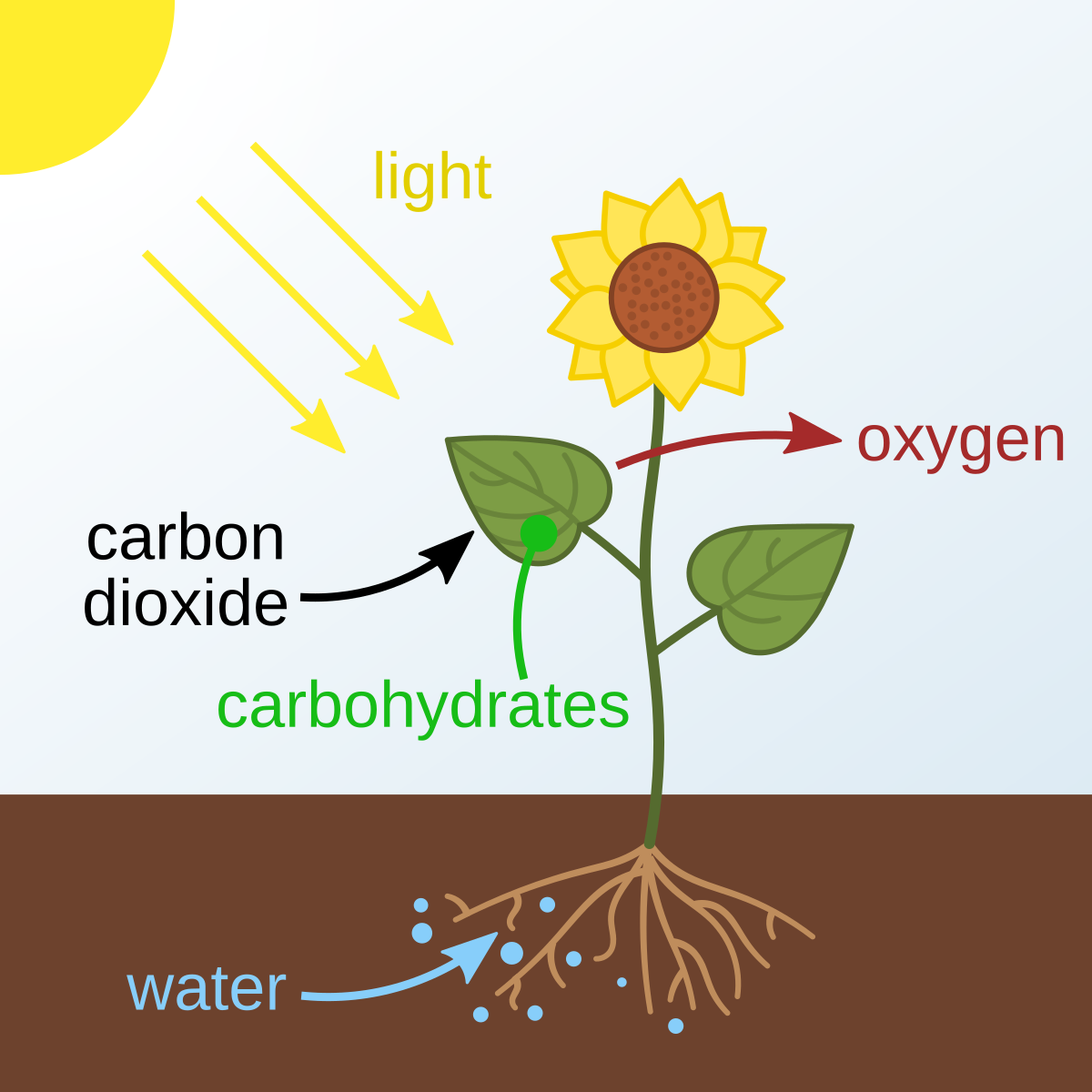 | |
The Process of Photosynthesis: How Plants Turn Light Into LifeImagine standing in a forest on a summer morning. Sunlight filters through the canopy, dappling the leaves in gold. The air feels alive, fresh, and full of oxygen. Every breath you take in that moment — every molecule of oxygen filling your lungs — is a gift from the quiet, invisible process humming inside those leaves: photosynthesis. It is one of the most important chemical processes on Earth, a transformation so powerful that it fuels nearly all life. Without it, there would be no forests, no food, no animals, and no humans. Photosynthesis is nature’s alchemy — turning sunlight into sugar, light into life. The Ingredients of Life
With these, plants create two astonishing products:
It sounds almost magical. But within the leaf, the process is an elegant dance of molecules and energy. The Green Factories: Chloroplasts When light strikes chlorophyll, it excites electrons — like flipping a switch to release energy. This spark sets off the first phase of photosynthesis: the light reactions. Step One: Capturing the Sun
Think of this stage as charging batteries: sunlight is converted into chemical energy, ready to be used. Step Two: Building Sugar from Air The raw material? Carbon dioxide from the air. Using enzymes and the energy molecules from the light reactions, the plant strings carbon atoms together into glucose. This sugar becomes food — not just for the plant itself, but eventually for everything that eats plants, and everything that eats the creatures that eat plants. From Leaf to Life
And the oxygen released sustains every animal on Earth, from the smallest insect to the largest whale. The Global Impact Even fossil fuels — coal, oil, natural gas — are the ancient remains of plants and algae that captured sunlight millions of years ago. In a sense, every time we burn fuel or eat food, we are tapping into stored sunlight. A Fragile Miracle The Poetry of Light So next time you sit under a tree or bite into a piece of fruit, pause for a moment. You are experiencing sunlight, captured, transformed, and passed along. You are, in a way, eating the sun.
via ChatGPT |
Author: Sonya Version: 1 Language: English Views: 0
Picture: Source: https://www.google.com/url?sa=i&url=https%3A%2F%2Fen.wikipedia.org%2Fwiki%2FPhotosynthesis&psig=AOvVaw0RpJKjE6zcAOQd4iS7mR7I&ust=1756373922981000&source=images&cd=vfe&opi=89978449&ved=0CBUQjRxqFwoTCIjDmaiwp48DFQAAAAAdAAAAABAK
|
Short link: https://www.sponsorschoose.org/a480
Short link to this version: https://www.sponsorschoose.org/n511
Created by Sonya at 2025-08-27 02:39:44
Last modified by Sonya at 2025-09-03 10:03:49
|