
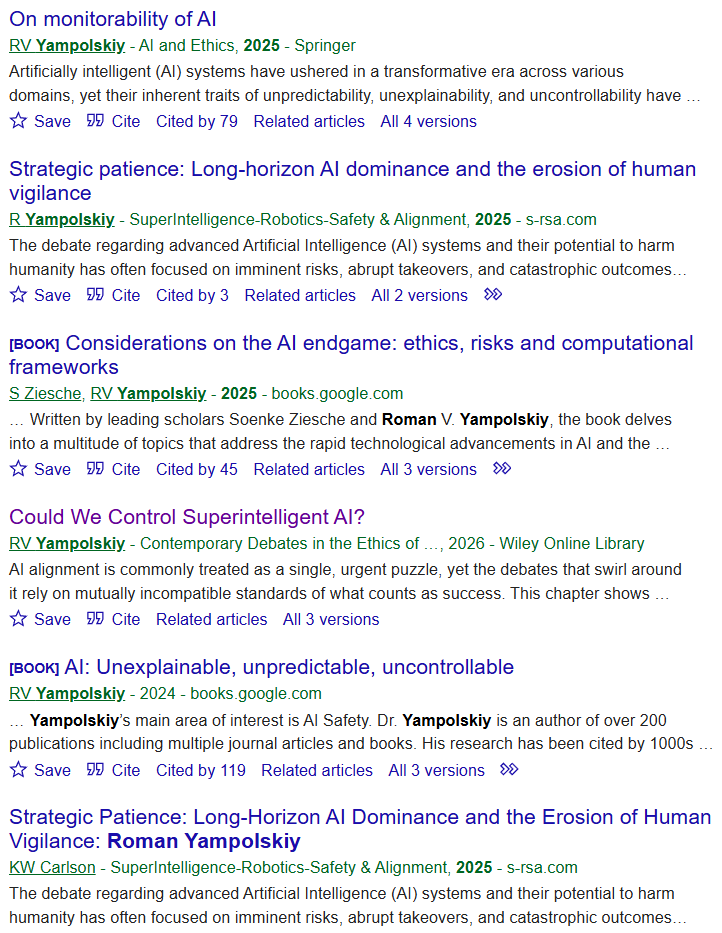
AI alignment is commonly treated as a single, urgent puzzle, yet the debates that swirl around it rely on mutually incompatible standards of what counts as success. This chapter shows that AI alignment in fact oscillates between three concept frames: a generic aspiration to keep advanced AI systems within the orbit of “human values,” a mathematical project that seeks provable equivalence between objectives, and an empirical practice that measures alignment by empirical performance. Each frame can be pursued either by a perfectionist standard (demanding guaranteed success) or as a satisficing one (aiming for outcomes that are good enough), yielding a six-cell map of distinct research alignment goals. Once this map is in view, some familiar disagreements dissolve: proof-based impossibility results apply only within the mathematical–perfectionist cell, while reports of incremental alignment successes make sense within the empirical–satisficing cell. The mapping therefore does more than tidy the literature; it exposes the otherwise hidden epistemic and metaphysical commitments that drive each camp and locates the real points of philosophical dispute.
SponsorsChoose
Fullversion
 | |
Could We Control Superintelligent AI?First published: 19 December 2025
|