| Edit | Map | Home |  |
New Post | New Gallery |
Support
|

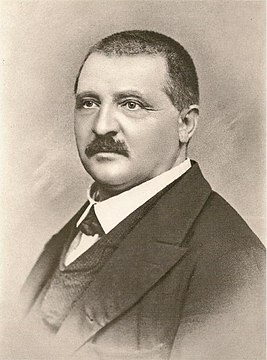 | |
Anton Bruckner (born September 4 , 1824 in Ansfelden , died October 11, 1896 in Vienna [1] ) - Austrian composer and organist , neo-romantic, representative of classical romanticism [1] [2] [3] . Biography [ edit | edit code ]Anton Bruckner was born to a poor, religious and musical family in Upper Austria, in Ansfelden [1] [2] [3], the son of a village teacher and organist . His mother sang in the church choir [1] [2] [3] . He showed a talent for playing the violin at the age of four, and at the age of ten he was already practicing the organ [1] [2] [3] . He began his musical career as a choir singer, teacher and organist at the Augustinian monastery of St. Florian in Linz . In the years 1858–1868 organist at the local cathedral, then appointed professor of the conservatory in Vienna . In 1886 he was awarded the Knight's Cross of the Order of Franz Joseph [4] . Bruckner's historical role comes down mainly to his achievements in the field of symphonic music. The fascination with this genre comes from two sources:
In addition to the above-mentioned influences, the influence of Austrian folk music and polyphonic texture can be noticed in Bruckner's music. Although Bruckner is one of Wagner's music enthusiasts, he himself represents the trend of absolute music. The infatuation with Wagner often aroused opposition from conservative critics, including Eduard Hanslick . In addition to symphonic music, Bruckner practices religious work that combines the mastery of the symphonic art with the artistry of polyphony. The human voice in these works is treated similarly to Wagner's – as one of the instruments of the orchestra. Major works:
|
Автор: Sonya Версія: 1 Мова: Англійська Переглядів: 0
|
Коротке посилання: https://www.sponsorschoose.org/a196
Коротке посилання на цю версію: https://www.sponsorschoose.org/n222
Автор - Sonya дата: 2023-05-31 08:05:12
Остання зміна - Sonya дата: 2023-06-03 16:37:22
|