| Edit | Map | Home |  |
New Post | New Gallery |
Support
|

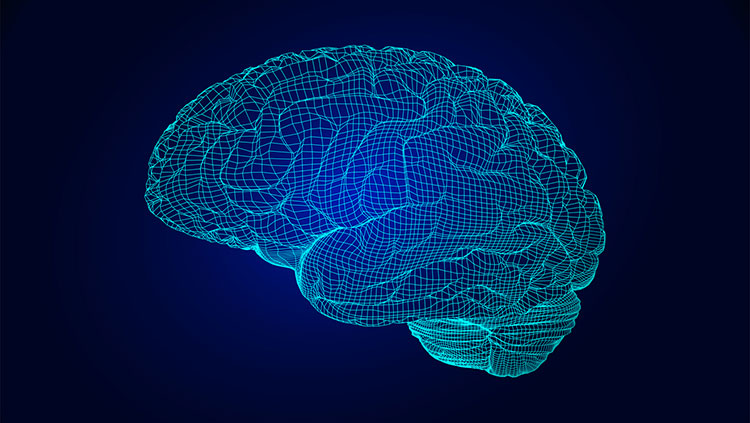 | |
How the Brain Stores Memories: The Mind’s Hidden LibraryThink of your brain as the most extraordinary library ever built. It has no bookshelves, no paper, and no ink, but somehow it holds every story you’ve ever lived — your first day of school, the smell of your grandmother’s kitchen, the sound of a song that takes you back to a summer long gone. This invisible library is memory, and the way the brain stores it is one of science’s greatest marvels. The First Step: Recording Experience But not everything you encounter becomes a memory. Much of what you sense simply fades. The brain is selective; it filters out noise and focuses on what feels important. That’s why you remember your best friend’s laugh but not the stranger you brushed past on the street this morning. The Role of the Hippocampus: The Archivist Think of it as a temporary desk in a library where books are sorted before they’re placed on the shelves. Without the hippocampus, as patients with brain injuries have shown, forming new memories becomes nearly impossible. Short-Term vs. Long-Term Memory Short-term memory is like jotting a note on a scrap of paper: useful for a moment, but easily discarded. For example, remembering a phone number just long enough to dial it. Long-term memory, on the other hand, is more like carving into stone. Through a process called consolidation, memories move from fragile short-term traces into stable networks stored across the brain. Sleep plays a crucial role here — at night, your brain replays the day’s experiences, strengthening connections so that what mattered most becomes lasting. Networks, Not File Cabinets When you recall the memory, the hippocampus and related structures act like a librarian, pulling these fragments together into a coherent story. That’s why a smell or a song can suddenly bring an entire flood of memory rushing back — it reactivates the network. The Power and Fragility of Memory Traumatic or emotional memories tend to burn more deeply into the brain. The amygdala, the brain’s emotional center, strengthens these memories, ensuring they are harder to forget. It’s the reason why you can vividly remember where you were during a life-changing event but not what you ate last Tuesday. Forgetting: The Brain’s Graceful Design The Mystery Still Unfolds What we do know is this: memory is not just biology. It is identity. It is the thread that stitches together past, present, and future. Without it, we would not know who we are. With it, we carry entire lifetimes inside us, invisible yet powerful. A Living Library
The storage of memory is not static shelves of books but a living, breathing library that reshapes itself with every moment. And in that library lies the story of your life — fragile, changing, but profoundly yours.
via ChatGPT |
Author: Sonya Version: 1 Language: English Views: 0
Picture: Source: https://www.google.com/url?sa=i&url=https%3A%2F%2Fwww.brainfacts.org%2Fin-the-lab%2Ftools-and-techniques%2F2024%2Fin-the-era-of-ai-the-worlds-best-computers-may-be-our-brains-071624&psig=AOvVaw3vwLEQWRsr6CRi4rumyjmM&ust=1756224348161000&source=images
|
Short link: https://www.sponsorschoose.org/a471
Short link to this version: https://www.sponsorschoose.org/n502
Created by Sonya at 2025-08-25 09:08:09
Last modified by Sonya at 2025-09-06 01:20:39
|