Эта галерея со всеми галереями и композициями внутри нее будет удалена и не сможет быть восстановлена. Вы уверены?
Выполнение...

Имя или е-мейл вашего друга, кому будет послано сообщение:

Пожалуйста, отредактируйте сообщение перед отсылкой.

How animals help medical research

Sonya

How Animals Help Medical Research: Partners in Discovery

For centuries, humans have sought to understand the mysteries of the body — how blood flows, why diseases strike, and how they might be cured. Many of the answers we’ve found, the very breakthroughs that allow us to live longer, healthier lives, have come from an unexpected source: animals. From tiny fruit flies to faithful dogs, animals have been silent partners in the story of medicine.


The First Experiments
The idea of learning from animals is ancient. As far back as the 2nd century CE, the Greek physician Galen dissected pigs and monkeys to understand anatomy. He was among the first to show that the brain controlled movement and that arteries carried blood, not air as once thought. Centuries later, William Harvey, studying the hearts of animals in the 1600s, discovered the circulation of blood — a revelation that reshaped medicine forever.

These early studies, often crude by modern standards, set the stage for more sophisticated research in later centuries.


Breakthroughs Made Possible by Animals
Time and again, animals have been central to discoveries that changed human health.

  • Vaccines: In the late 1800s, Louis Pasteur used chickens and sheep to develop vaccines against cholera and anthrax. Later, dogs helped him test his rabies vaccine — one of the first triumphs in the fight against viral disease.

  • Insulin: In 1921, researchers Frederick Banting and Charles Best discovered insulin by studying the pancreases of dogs. Their work transformed diabetes from a death sentence into a manageable condition.

  • Polio: In the mid-20th century, monkeys played a crucial role in the development of the polio vaccine, which saved millions of children from paralysis.

  • Organ Transplants: Experiments with dogs helped pioneer techniques for heart and kidney transplants, leading to the life-saving surgeries performed today.

  • Modern Medicines: From cancer drugs to antibiotics, animal studies have provided vital insights into how treatments work before they reach humans.

Even the COVID-19 vaccines relied on animal studies in mice and monkeys to prove their safety and effectiveness before mass distribution.


The Range of Animal Partners
Not all animal research involves large mammals. In fact, some of the most important breakthroughs come from creatures that seem humble or strange.

  • Fruit flies have helped scientists unravel the secrets of genetics.

  • Zebrafish are used to study how organs develop, because their transparent embryos allow researchers to watch growth in real time.

  • Mice — which share about 85% of their genes with humans — are the most widely used animals in medical research.

  • Primates are used when diseases or brain functions are too complex to study in smaller animals.

Each species offers unique insights, chosen carefully for the type of research being done.


The Ethical Dilemma
Of course, animal research comes with a heavy question: is it right to use animals for human benefit?

In the past, animals were often used with little regard for their welfare. Today, strict ethical guidelines exist. Researchers must follow the “3Rs” principle:

  1. Replace animals with alternatives whenever possible (such as computer models or cell cultures).

  2. Reduce the number of animals used to the minimum necessary.

  3. Refine techniques to minimize pain and distress.

While many scientists believe animal research remains essential, there is also a growing movement to find alternatives. Advances in stem cell research, lab-grown organoids, and sophisticated computer simulations may one day reduce the need for animals altogether.


A Shared Legacy
Whether one supports or questions animal research, it is undeniable that animals have shaped the course of medical history. The vaccines that protect children, the surgeries that save lives, the treatments that ease suffering — all bear the hidden imprint of animal studies.

It is a legacy that comes with responsibility: to treat animals with respect, to use them only when no other options exist, and to continue seeking humane alternatives.


The Quiet Contribution
Next time you take an antibiotic, receive a vaccine, or know someone saved by surgery, remember the unseen contributors. The mice, monkeys, dogs, and countless others who, without words, helped unlock the secrets of the human body.


Animals have been more than subjects of science; they have been partners in discovery, helping humanity push back the boundaries of disease and death. Our task now is to honor that partnership with both gratitude and care.


via ChatGPT

Автор:   Sonya  Версия:  1  Язык: Английский  Просмотров: 0

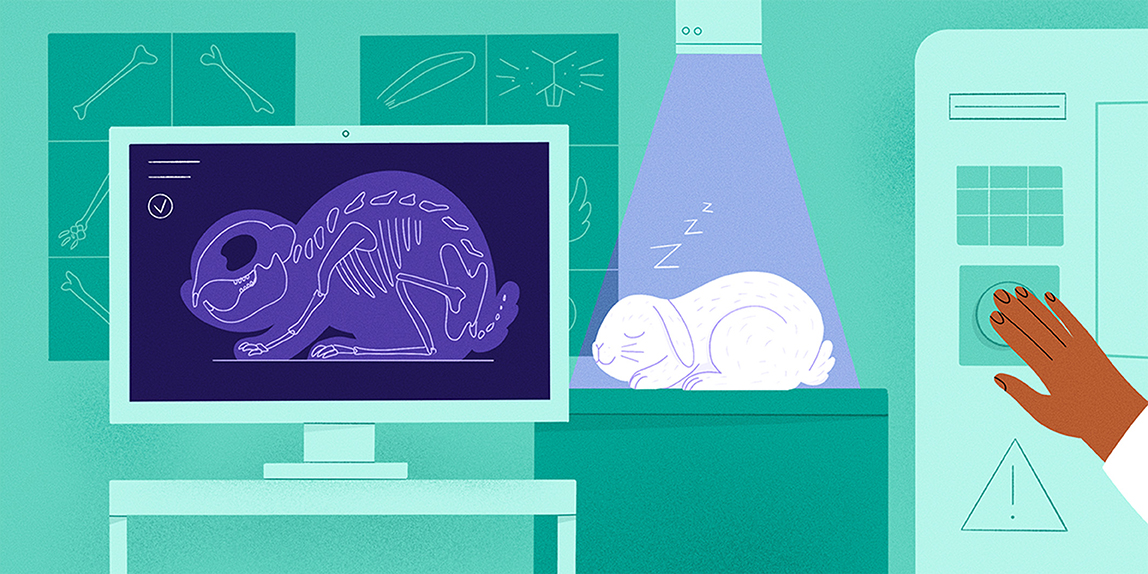
Рисунок: Ссылка на источник: https://www.google.com/url?sa=i&url=https%3A%2F%2Fkids.frontiersin.org%2Farticles%2F10.3389%2Ffrym.2022.953662&psig=AOvVaw3WLLcV4l6QYT_3OhcY73tf&ust=1756374167549000&source=images&cd=vfe&opi=89978449&ved=0CBUQjRxqFwoTCJCGhZuxp48DFQAAAAAdAAAAABAK

Короткая ссылка: https://www.sponsorschoose.org/a482
Короткая ссылка на эту версию: https://www.sponsorschoose.org/n513
Автор - Sonya дата: 2025-08-27 02:44:51
Последнее изменение - Sonya дата: 2025-09-03 10:03:49