How Viruses Spread: The Invisible Travelers
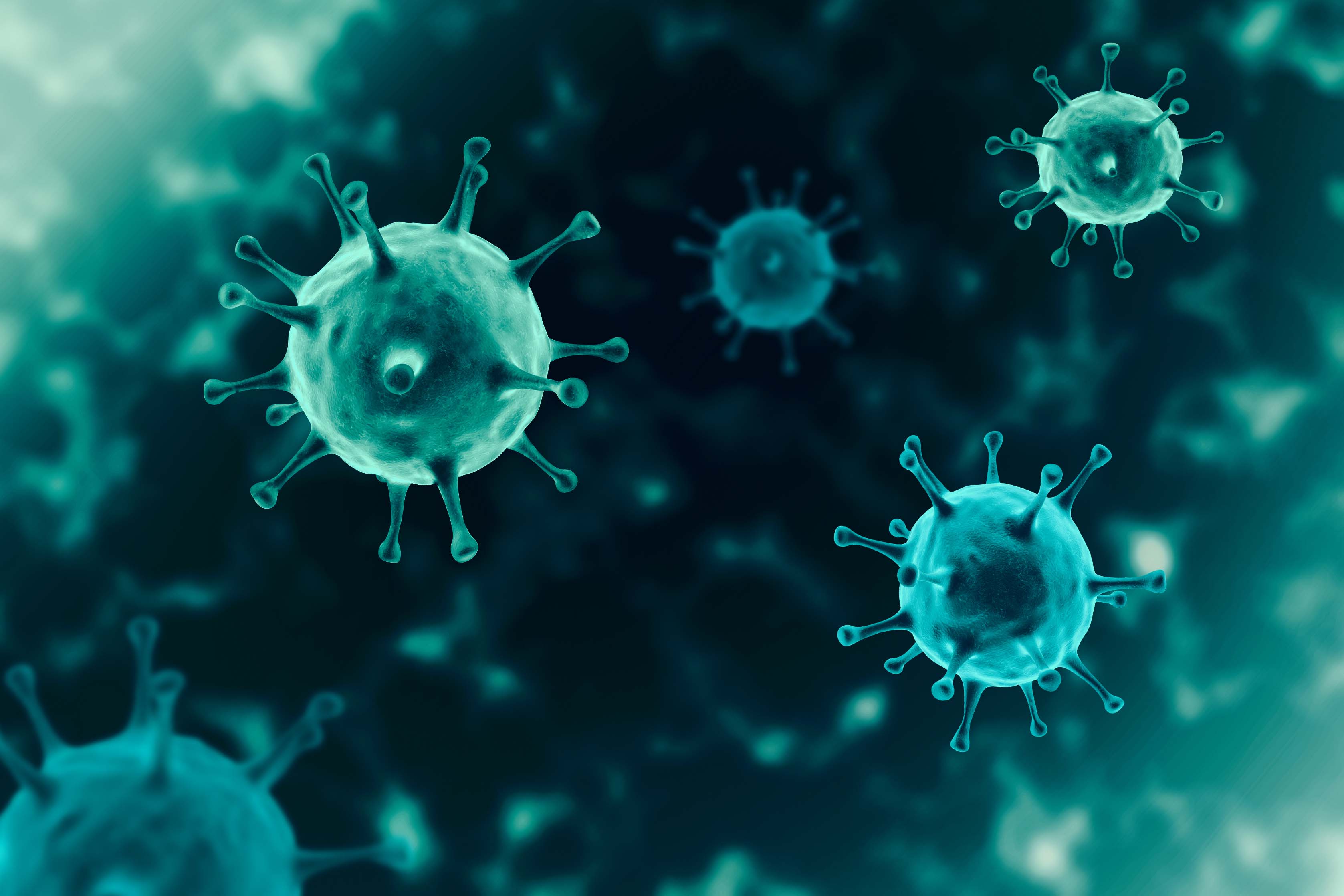
Imagine something so small that millions of them could fit on the head of a pin. They cannot see, think, or even move on their own. Yet, these invisible specks have shaped history, toppling empires, sparking pandemics, and forcing humanity to adapt again and again. These are viruses, and their success lies not in strength or size, but in their extraordinary ability to spread.
The Nature of a Virus
A virus is not alive in the usual sense. It is a packet of genetic material — DNA or RNA — wrapped in a protein coat, sometimes with a fatty envelope. On its own, it can do nothing. It doesn’t eat, grow, or reproduce. But the moment it finds a host cell, it becomes a hijacker. It inserts its genetic code, forcing the cell to make copies — thousands, sometimes millions — until the cell bursts, releasing new viral particles to continue the cycle.
But for a virus to thrive, it needs more than just a single host. It needs to move. It needs to spread.
Pathways of Transmission
Viruses are masters of travel, evolving ingenious ways to leap from one body to another.
-
Through the Air: Respiratory viruses like influenza or coronaviruses hitch rides on droplets we release when we cough, sneeze, or even speak. Some linger in the air as aerosols, floating invisibly until someone else inhales them.
-
Through Contact: Viruses like norovirus or the common cold often spread when people touch contaminated surfaces, then touch their faces — a handshake, a doorknob, or a shared object becomes the bridge.
-
Through Blood and Fluids: Viruses such as HIV and hepatitis B move via blood, sexual contact, or needle sharing, passing directly from one bloodstream to another.
-
Through Vectors: Some viruses use animals as carriers. Mosquitoes spread dengue, malaria-like Zika, and yellow fever; ticks spread viral encephalitis. In these cases, the insect is the delivery system.
-
Through Food and Water: Contaminated water supplies can spread viruses like hepatitis A, reminding us how fragile sanitation systems are to viral hitchhikers.
Each route of transmission is finely tuned — evolution’s way of ensuring the virus finds new hosts before the old ones recover or perish.
The Incubation Advantage
One of a virus’s cleverest tricks is timing. After infection, there is often an incubation period when the host feels fine, even as the virus multiplies. During this silent phase, people go about their lives, meeting friends, traveling, or working — unknowingly carrying and spreading the virus. By the time symptoms appear, the virus may already have leapt to new hosts.
The Human Factor
Viruses spread not just because of biology, but because of behavior. Our interconnected world — airplanes, cities, markets, and schools — provides highways for viral travel. A sneeze in one corner of the globe can, within hours, connect to another continent.
At the same time, cultural practices shape viral pathways. Shared meals, rituals, even how we greet one another — a hug, a kiss, a handshake — all create opportunities for viruses to move.
Defenses Against the Invisible
Fortunately, our bodies and societies fight back.
-
The Immune System: Once a virus invades, the immune system launches an army of white blood cells, antibodies, and killer T-cells to hunt it down. If successful, the host recovers and often gains immunity.
-
Vaccines: By training the immune system in advance, vaccines stop viruses before they gain a foothold. This is why diseases like smallpox were wiped out and why others, like polio, are nearly gone.
-
Public Health Measures: Quarantines, sanitation, hand-washing, and masks are not modern inventions — they are ancient defenses, refined with modern science, to slow the spread of these tiny travelers.
A Relentless Cycle
Yet viruses endure. They mutate, finding new ways to bypass immunity or jump from animals to humans — a process called spillover. HIV likely came from primates, influenza from birds and pigs, and coronaviruses from bats. Each jump is a reminder that our world is shared, and our health is tied to ecosystems far beyond our sight.
The Invisible Thread
When you think about it, viruses are storytellers of connection. The cold you caught at school came from a chain of invisible handshakes and sneezes stretching back through strangers. A pandemic is not just a tale of sickness, but of how deeply intertwined human lives are.
Viruses spread because we are social, mobile, and connected. They reveal the fragile lines that bind us — invisible, like the viruses themselves, yet powerful enough to change the course of history.
via ChatGPT |