Ця галерея з усіма галереями та композиціями всередині її буде вилучена і не може бути відтворена. Ви впевнені?
Виконання...

Ім'я або е-мейл вашого друга, кому буде надіслано це повідомлення:

Будь ласка, відредагуйте текст, як ви бажаєте.

How our eyes perceive color

Sonya

How Our Eyes Perceive Color: Painting the World in Light

Imagine standing in front of a field of wildflowers on a bright spring morning. Scarlet poppies sway in the breeze, golden dandelions scatter across the grass, and violet petals shimmer in the sunlight. To us, it feels natural to see this explosion of color. Yet behind the scenes, your eyes and brain are performing one of biology’s greatest magic tricks: transforming invisible waves of light into the vibrant palette of the world.


Light: The Invisible Artist
Color doesn’t exist out there in the world in the way we imagine. What exists is light — electromagnetic waves, some short, some long. The human eye can only detect a tiny slice of this spectrum, called visible light, ranging from violet (with short wavelengths) to red (with long wavelengths).

When sunlight hits an object, some wavelengths are absorbed while others bounce off. A ripe strawberry absorbs most wavelengths but reflects red — so to us, it appears red. In truth, color is not a property of the object, but the way our eyes and brains interpret reflected light.


The Eye’s Canvas: The Retina
At the back of your eye lies the retina, a thin sheet of tissue lined with millions of light-sensitive cells. These are the rods and cones.

  • Rods are incredibly sensitive to light but cannot detect color. They allow us to see in dim conditions — which is why the world looks grayish at night.

  • Cones, on the other hand, are the artists of vision. They come in three types, each tuned to a different range of wavelengths:

    • S-cones (short wavelength): most sensitive to blues.

    • M-cones (medium wavelength): most sensitive to greens.

    • L-cones (long wavelength): most sensitive to reds.

When light enters the eye, it activates these cones in varying combinations. Together, they mix signals much like the red, green, and blue pixels on a screen, creating the full spectrum of colors we perceive.


From Eye to Brain: The Color Symphony
The cones generate tiny electrical impulses, which travel through the optic nerve to the brain. But the brain doesn’t just passively receive the information; it interprets it.

Neurons in the visual cortex compare signals from the different cones, detecting contrasts and refining hues. This processing is why we see a smooth rainbow instead of just a jumble of wavelengths. It’s also why we experience afterimages — stare at something red for too long, and the cones for red get “tired,” so when you look away, the balance shifts, and you see a greenish tint.


Why the Sky is Blue (and the Sunset Red)
The colors of nature are, in many ways, the story of light meeting atmosphere. The sky appears blue because shorter blue wavelengths scatter more easily in the atmosphere. At sunset, when sunlight travels through more air, the blues scatter away, leaving longer red and orange wavelengths to paint the horizon.

It’s not just science; it’s physics turned poetry.


The Limits of Human Vision
While humans see an impressive range of colors, we are not the champions of the animal kingdom. Birds, butterflies, and some fish have four types of cones, allowing them to see ultraviolet light invisible to us. Mantis shrimp go even further, with up to 16 different photoreceptor types, perceiving a color spectrum we can barely imagine.

And yet, within our human limitations, the variety we perceive is extraordinary — millions of distinct shades, all from the blending of just three types of cones.


When Color Perception Changes
Not everyone perceives color in the same way. People with color vision deficiency, commonly known as color blindness, may lack one type of cone or have cones that respond differently. This doesn’t mean their world is gray, but that certain shades blend together — reds and greens, for example. Interestingly, their vision can be sharper in some contexts, since their eyes focus more on contrasts than hues.

Meanwhile, some rare individuals, called tetrachromats, may have an extra type of cone, giving them access to shades invisible to the rest of us. To them, a simple sunset may reveal colors others can’t even name.


The Brain’s Illusions
Color is not always tied directly to wavelength. Sometimes, the brain invents color. Optical illusions and famous internet debates like the dress (was it blue and black, or white and gold?) show how context, lighting, and brain processing can shift our perception. Color, in the end, is as much about interpretation as it is about physics.


The World Painted Anew
So every time you marvel at a rainbow, admire a painting, or notice the green of spring leaves, you are witnessing an intricate collaboration: photons bouncing, cones firing, neurons comparing, the brain weaving signals into sensation.

Color is not merely out there in the world — it is something your mind creates, a personal and vivid translation of light.

The beauty of it all is that, through this process, the universe is never dull or gray. Our eyes paint it anew every day, turning invisible energy into the vibrant theater of life.


via ChatGPT

Автор:   Sonya  Версія:  1  Мова: Англійська  Переглядів: 0

 Рейтінг:  0 від 0

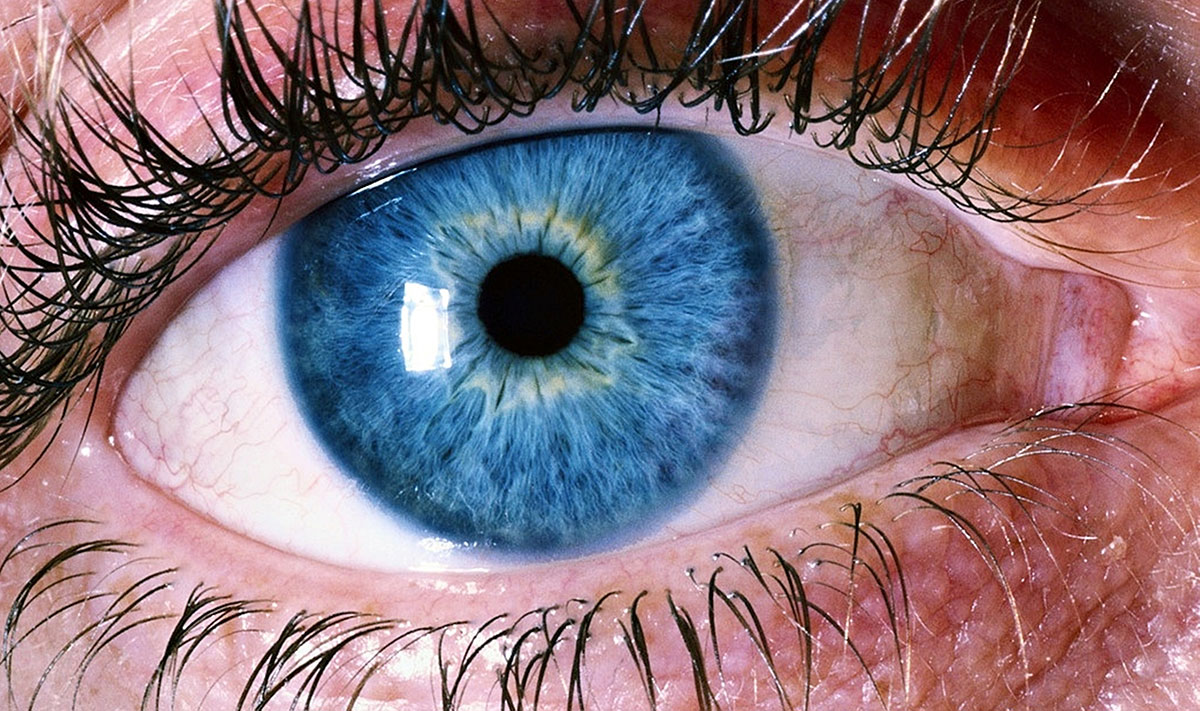
Рисунок: Посилання на джерело: https://www.google.com/url?sa=i&url=https%3A%2F%2Foliviaread.co.za%2Fconditions-treatments%2Fthe-human-eye%2F&psig=AOvVaw18M9zKPT1paHmR2VqdLeIf&ust=1756373437554000&source=images&cd=vfe&opi=89978449&ved=0CBUQjRxqFwoTCJjOo8Cup48DFQAAAAAdAAAAABAK

Коротке посилання: https://www.sponsorschoose.org/a476
Коротке посилання на цю версію: https://www.sponsorschoose.org/n507
Автор - Sonya дата: 2025-08-27 02:31:41
Остання зміна - Sonya дата: 2025-09-06 01:20:39