Ця галерея з усіма галереями та композиціями всередині її буде вилучена і не може бути відтворена. Ви впевнені?
Виконання...

Ім'я або е-мейл вашого друга, кому буде надіслано це повідомлення:

Будь ласка, відредагуйте текст, як ви бажаєте.

The role of the immune system

Sonya

The Role of the Immune System: Your Body’s Silent Guardian

Imagine walking through a bustling city at night. Everywhere, shadows move. Some are harmless, but others carry danger. Now imagine that city is your body, and the threats are viruses, bacteria, parasites, and even rogue cells. Who stands guard in the darkness? The answer is your immune system — a complex network of cells, tissues, and organs working tirelessly to protect you, often without you even noticing.


The First Line of Defense
The immune system begins at the borders. Your skin, mucous membranes, tears, and saliva act like walls, gates, and patrols. They prevent most invaders from even entering your body. But when a pathogen sneaks past these barriers, specialized cells spring into action.

  • Phagocytes, like macrophages, patrol your tissues, engulfing invaders like microscopic Pac-Men.

  • Dendritic cells capture pieces of pathogens and carry them to other immune cells, essentially sending out “wanted” posters to alert the body of danger.

This rapid response is your innate immunity — the body’s fast, general-purpose defense against the unknown.


The Adaptive Response: Memory in Action
If an invader slips through the first line, the immune system calls in specialized forces. B cells produce antibodies — molecular weapons designed to recognize and neutralize specific pathogens. T cells can directly destroy infected cells or help coordinate the attack.

The adaptive immune system is remarkable because it remembers. After fighting a pathogen once, it can respond faster and stronger if the same threat returns. This memory is the principle behind vaccines, training the body to recognize invaders before they cause serious illness.


The Army Within
Your immune system isn’t one uniform force — it’s an army with specialized units.

  • Neutrophils are rapid-response soldiers, arriving first to engulf invaders.

  • Natural killer cells are assassins, eliminating infected or abnormal cells.

  • Helper T cells are strategists, signaling other cells to attack or calm down.

  • Regulatory T cells prevent the army from attacking your own tissues, avoiding friendly fire.

Each plays a crucial role, and together they maintain balance between defense and overreaction.


Inflammation: The Battle Cry
You’ve probably felt inflammation — redness, heat, swelling — and wondered why it happens. It’s the battlefield signaling that the immune system is at work. Blood rushes to the area, immune cells flood in, and molecules call reinforcements. Though uncomfortable, inflammation is an essential part of fighting infection and repairing damage.


Protecting Against More Than Infection
The immune system does more than fight germs. It also monitors cells for mutations, identifying and destroying potentially cancerous cells before they grow into tumors. It clears damaged tissues, removes cellular debris, and keeps the body in balance. It is, in essence, the body’s quality control system.


Challenges and Dysfunctions
Sometimes the immune system can make mistakes. Overactive immune responses can cause allergies, attacking harmless substances like pollen or food. Autoimmune diseases occur when the immune system attacks the body’s own tissues, mistaking them for invaders. And in other cases, the immune system is weakened, leaving the body vulnerable to infection.

Understanding these failures has led to remarkable medical advances, from vaccines and immunotherapies to treatments for autoimmune diseases.


The Hidden Miracle
The most astounding thing about the immune system is how quiet it usually is. Most of the time, it works invisibly, patrolling, detecting, neutralizing threats before they cause illness. We notice it only when it falters or when we fight a visible infection.

Every sneeze, every cut that heals, every fever that breaks is proof of this hidden guardian at work. Without it, even the smallest bacteria could become deadly. With it, our bodies navigate a world full of microscopic hazards, often unscathed.


A Symphony of Protection
The immune system is not a single entity but a symphony — trillions of cells, countless signals, orchestrated with precision. It is fast and flexible, remembering and adapting, protecting and repairing. It is both fierce and intelligent, a silent guardian that defines the very possibility of life.

Next time you take a deep breath or recover from a cold, remember: your immune system was there, unseen but vigilant, keeping you alive in a world full of threats.


via ChatGPT

Автор:   Sonya  Версія:  1  Мова: Англійська  Переглядів: 0

 Рейтінг:  0 від 0

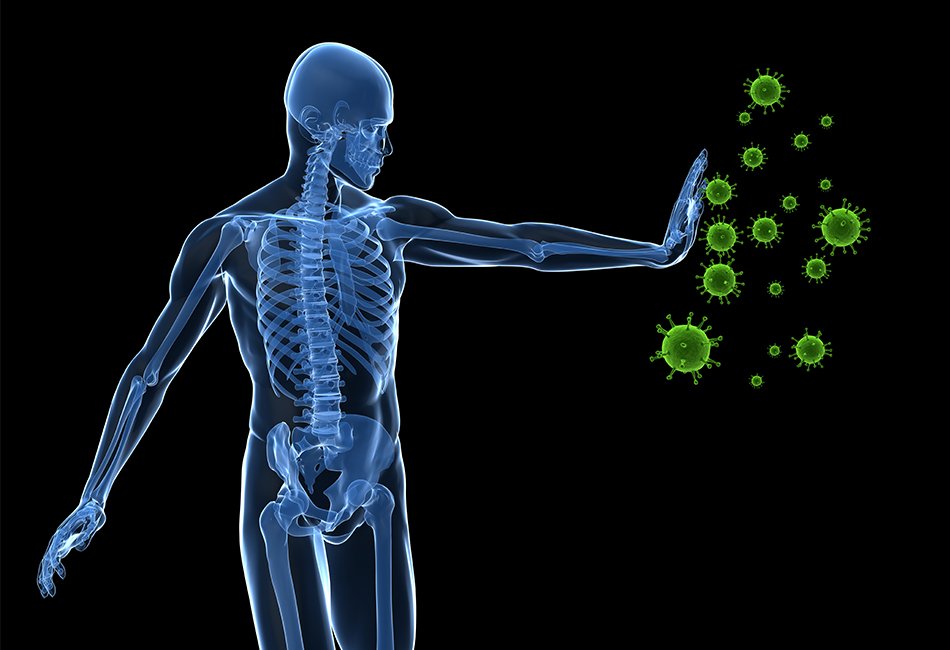
Рисунок: Посилання на джерело: https://www.google.com/url?sa=i&url=https%3A%2F%2Fsquareonehealth.com%2Fstrategies-for-building-a-health-immune-system%2F&psig=AOvVaw0EFGi-CATSYdNdH7fWJwMD&ust=1756224681425000&source=images&cd=vfe&opi=89978449&ved=0CBUQjRxqFwoTCNjd7YGtpo8DFQAAAAAdAA

Коротке посилання: https://www.sponsorschoose.org/a473
Коротке посилання на цю версію: https://www.sponsorschoose.org/n504
Автор - Sonya дата: 2025-08-25 09:12:57
Остання зміна - Sonya дата: 2025-09-06 01:20:39