Ця галерея з усіма галереями та композиціями всередині її буде вилучена і не може бути відтворена. Ви впевнені?
Виконання...

Ім'я або е-мейл вашого друга, кому буде надіслано це повідомлення:

Будь ласка, відредагуйте текст, як ви бажаєте.

The science behind allergies

Sonya

The Science Behind Allergies: When the Body Overreacts

Imagine your immune system as a vigilant guard, standing watch day and night. Its job is simple yet vital: to defend your body against intruders — viruses, bacteria, and parasites that could harm you. Most of the time, this guard is sharp, clever, and precise. But sometimes, it mistakes a friendly visitor for a dangerous enemy. When that happens, the guard raises the alarm, troops rush in, and chaos erupts. That, in essence, is what happens when you have an allergy.


The Immune System’s Mistaken Identity
Allergies are the result of the immune system overreacting to harmless substances, known as allergens. These allergens can be pollen, dust mites, peanuts, shellfish, pet dander, insect venom — things that, by themselves, pose no threat.

For most people, breathing in pollen simply means enjoying the scent of spring flowers. But for someone with hay fever, the immune system mislabels that pollen as a dangerous invader.


The Body’s Overreaction
When an allergic person first encounters an allergen, their immune system produces a special antibody called IgE (immunoglobulin E). These antibodies attach themselves to immune cells called mast cells and basophils, like guards waiting for trouble.

The next time the allergen appears — say, when spring rolls around again — it locks onto those IgE antibodies. This triggers the mast cells to release histamine and other chemicals.

Histamine is the main culprit behind allergy symptoms:

  • It makes blood vessels leaky, causing swelling and redness.

  • It irritates nerves, leading to itching.

  • It stimulates mucus production, causing runny noses and watery eyes.

What was meant to be a precise defense becomes a flood of unnecessary responses — the sneezing, swelling, and itching that allergy sufferers know all too well.


Different Faces of Allergies
Allergies come in many forms, depending on how and where the immune system reacts:

  • Hay fever (allergic rhinitis): Sneezing, itchy eyes, and congestion triggered by pollen or dust.

  • Food allergies: Reactions to proteins in peanuts, milk, eggs, shellfish, or other foods, sometimes causing hives or stomach pain.

  • Skin allergies: Conditions like eczema or contact dermatitis, where the skin flares up in red, itchy patches.

  • Asthma: For many, allergens trigger the airways to tighten, causing wheezing and difficulty breathing.

  • Anaphylaxis: A rare but severe reaction where the whole body goes into shock — a medical emergency that can be life-threatening.


Why Do Some People Get Allergies and Others Don’t?
This is one of the biggest mysteries in immunology. Genetics plays a role: if your parents have allergies, you are more likely to have them too. But environment matters as well.

One theory, called the hygiene hypothesis, suggests that modern life is “too clean.” Growing up with fewer infections and less exposure to microbes may leave the immune system more prone to overreacting to harmless things. It’s as if the guard, with no real battles to fight, starts picking fights with strangers.


Living with Allergies
Modern medicine has developed tools to manage allergies:

  • Antihistamines block the effects of histamine, reducing sneezing and itching.

  • Steroids calm inflammation.

  • EpiPens deliver adrenaline to counteract severe anaphylaxis.

  • Immunotherapy (allergy shots or tablets) gradually retrains the immune system, teaching it to tolerate allergens.

These treatments don’t cure allergies completely, but they help keep the body’s mistaken alarms under control.


A Curious Twist of Evolution
Some scientists believe allergies might not just be “mistakes” at all. Histamine, sneezing, and swelling may once have helped expel parasites or toxins. In ancient environments full of worms and pathogens, such strong reactions might have offered protection. In the modern world, with fewer parasites, the same defenses misfire against pollen and peanuts.

In that sense, allergies could be the ghost of an older survival strategy — a tool that has outlived its original purpose.


A Battle Inside Us
Allergies remind us of the delicate balance of the immune system. The same army that shields us from deadly infections can, under the wrong circumstances, turn against us in error. It is a reminder that the body, for all its brilliance, is not infallible.


The next time you sneeze during spring or watch someone carefully avoid peanuts, remember: beneath those reactions is a fascinating story of biology, evolution, and the immune system’s eternal struggle to tell friend from foe.


via ChatGPT

Автор:   Sonya  Версія:  1  Мова: Англійська  Переглядів: 0

 Рейтінг:  0 від 0

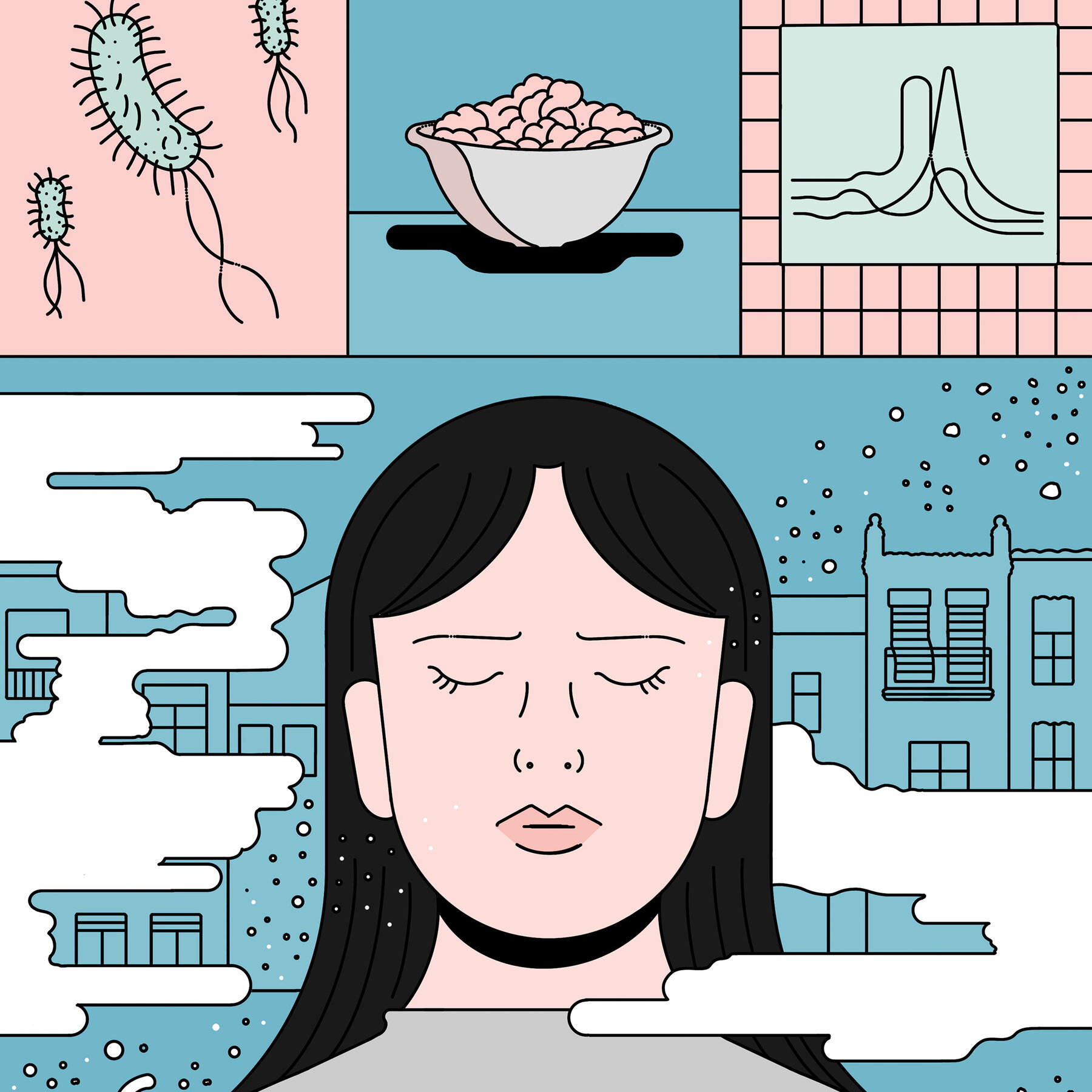
Рисунок: Посилання на джерело: https://www.google.com/imgres?q=%20allergies&imgurl=https%3A%2F%2Fstatic01.nyt.com%2Fimages%2F2025%2F04%2F01%2Fwell%2F18WELL-SECRET-ALLERGIES%2F18WELL-SECRET-ALLERGIES-mediumSquareAt3X-v3.jpg&imgrefurl=https%3A%2F%2Fwww.nytimes.com%2F2025%2F03%2F18%2

Коротке посилання: https://www.sponsorschoose.org/a483
Коротке посилання на цю версію: https://www.sponsorschoose.org/n514
Автор - Sonya дата: 2025-08-27 02:46:47
Остання зміна - Sonya дата: 2025-09-03 10:03:49