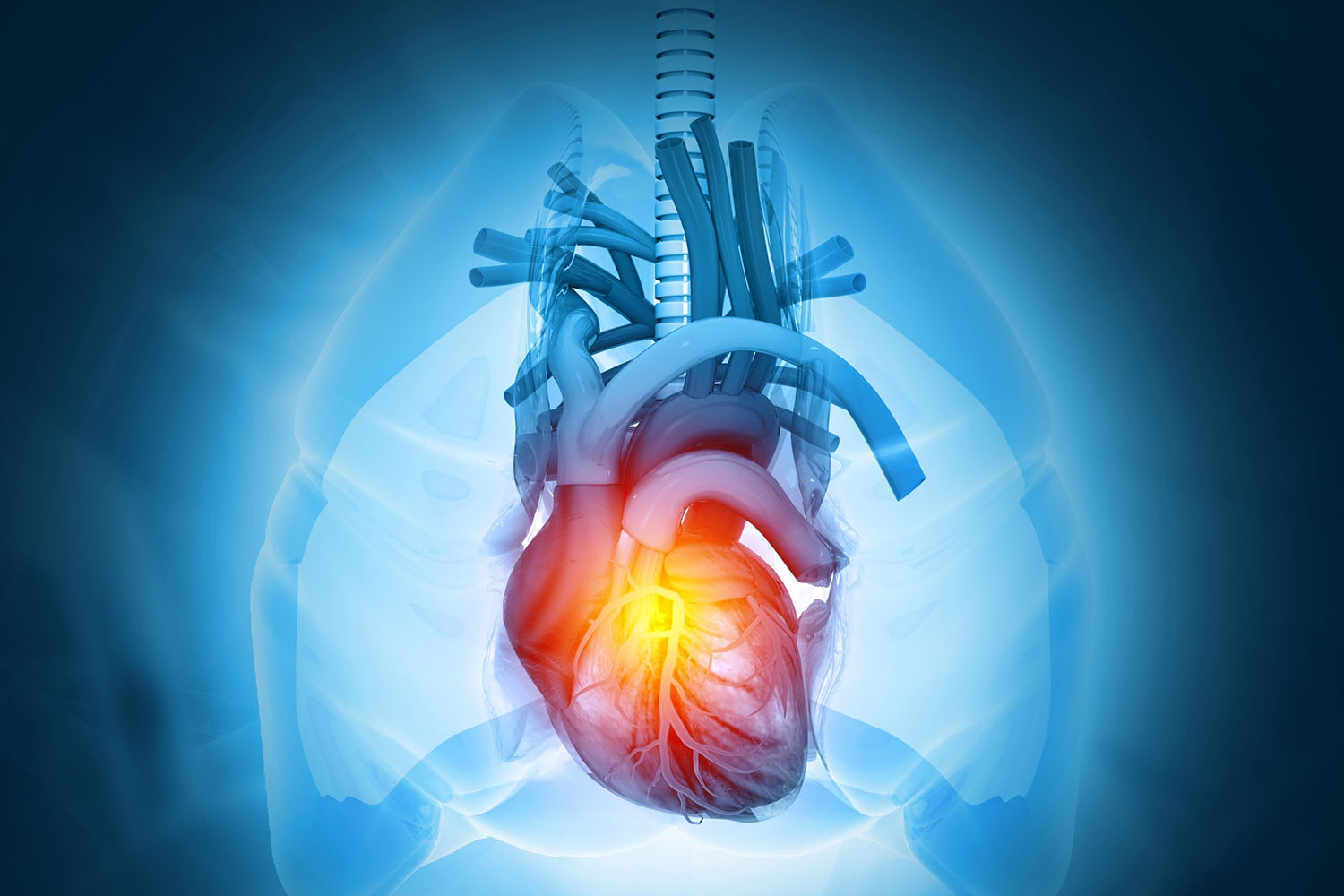
The Structure of the Human Heart: The Body’s Relentless Engine
If the body is a city, then the heart is its tireless power plant — always working, never pausing, beating more than 100,000 times a day to keep the entire system alive. You can live without sight, without speech, even without movement. But if your heart stops, the city shuts down. To understand life itself, you must understand this extraordinary organ.
A Fist-Sized Miracle
The human heart is surprisingly small — about the size of your clenched fist and weighing less than a pound. Yet within its chambers, valves, and vessels flows the force that sustains us. Encased in a protective sac called the pericardium, it sits slightly left of center in the chest, nestled between the lungs, tilted forward as if leaning into its eternal work.
The Four Chambers: Rooms of Circulation
The heart is divided into four chambers — like a house with two upstairs rooms and two downstairs rooms, each with its own role.
-
The atria (the two upper chambers) are the welcoming halls. They receive blood: the right atrium gathers deoxygenated blood from the body, while the left atrium collects freshly oxygenated blood from the lungs.
-
The ventricles (the two lower chambers) are the pumping rooms. The right ventricle sends blood to the lungs to be refreshed with oxygen, while the left ventricle, the strongest chamber, propels oxygen-rich blood out to the entire body.
Together, the chambers keep blood in constant circulation, ensuring every cell receives oxygen and nutrients while waste products are carried away.
The Valves: Guardians of Flow
Like doors between rooms, valves ensure blood only moves forward and never back. Four valves act as the guardians:
-
The tricuspid valve sits between the right atrium and right ventricle.
-
The pulmonary valve opens the way from the right ventricle to the lungs.
-
The mitral valve, with its graceful two flaps, lies between the left atrium and left ventricle.
-
The aortic valve sends blood from the left ventricle into the aorta, the great highway of the body.
Each valve opens and closes with precise timing, producing the familiar lub-dub sound we call a heartbeat.
The Walls and Muscles: Layers of Strength
The heart is not just hollow chambers. Its walls are made of specialized muscle called myocardium — strong, rhythmic, and tireless. Unlike skeletal muscles that tire with exertion, cardiac muscle contracts ceaselessly for a lifetime.
The walls of the left ventricle are the thickest, built like fortress walls, because they must pump blood with enormous pressure through arteries that reach every corner of the body. By contrast, the right ventricle has thinner walls, since it only pumps blood a short distance to the lungs.
The Electrical System: Sparks of Life
What makes the heart beat? Not willpower, not the brain, but an internal electrical system. At the top of the right atrium lies a tiny cluster of cells called the sinoatrial (SA) node — the natural pacemaker. It sends out electrical impulses that ripple through the heart, telling the atria and ventricles when to contract.
This invisible rhythm keeps the heart pumping in perfect time, like a conductor guiding an orchestra. Even removed from the body, a heart can continue beating for a while, thanks to this built-in electrical spark.
The Great Vessels: Highways of Blood
Blood flows into and out of the heart through mighty vessels:
-
The vena cavae (superior and inferior) deliver oxygen-poor blood from the body into the right atrium.
-
The pulmonary arteries carry this blood from the right ventricle to the lungs.
-
The pulmonary veins return oxygen-rich blood from the lungs into the left atrium.
-
The aorta, the largest artery in the body, carries freshly oxygenated blood from the left ventricle to every organ, muscle, and tissue.
It is a perfect loop — a double circulation system, one path to the lungs, another to the body.
The Heart in Harmony
What makes the heart extraordinary is not just its parts but their coordination. Chambers fill and empty with flawless timing. Valves snap open and shut in perfect rhythm. Electrical signals surge like lightning, creating the steady pulse that has accompanied you every moment of your life.
All of this happens silently, automatically, without you commanding it. From the moment you are a 6-week-old embryo until your last breath, your heart labors without rest.
The Symbol Beyond Biology
Beyond its anatomy, the heart is more than a pump. Across cultures, it has become a symbol of love, courage, and spirit. Ancient Egyptians believed the heart was the seat of the soul, weighed against a feather in the afterlife. Poets call it the wellspring of emotion. And in many ways, they are right — because though the brain thinks and reasons, the heart sustains the very possibility of thought, emotion, and life itself.
The Relentless Engine
The human heart is structure and symbol, muscle and mystery. It is chambers, valves, vessels, and rhythm — and yet, it is also the silent partner in every word you speak, every step you take, every dream you chase.
It beats, and you live. It falters, and you feel it. It is, in every sense, the body’s relentless engine — humble in size, but infinite in importance.
via ChatGPT |