Ця галерея з усіма галереями та композиціями всередині її буде вилучена і не може бути відтворена. Ви впевнені?
Виконання...

Ім'я або е-мейл вашого друга, кому буде надіслано це повідомлення:

Будь ласка, відредагуйте текст, як ви бажаєте.

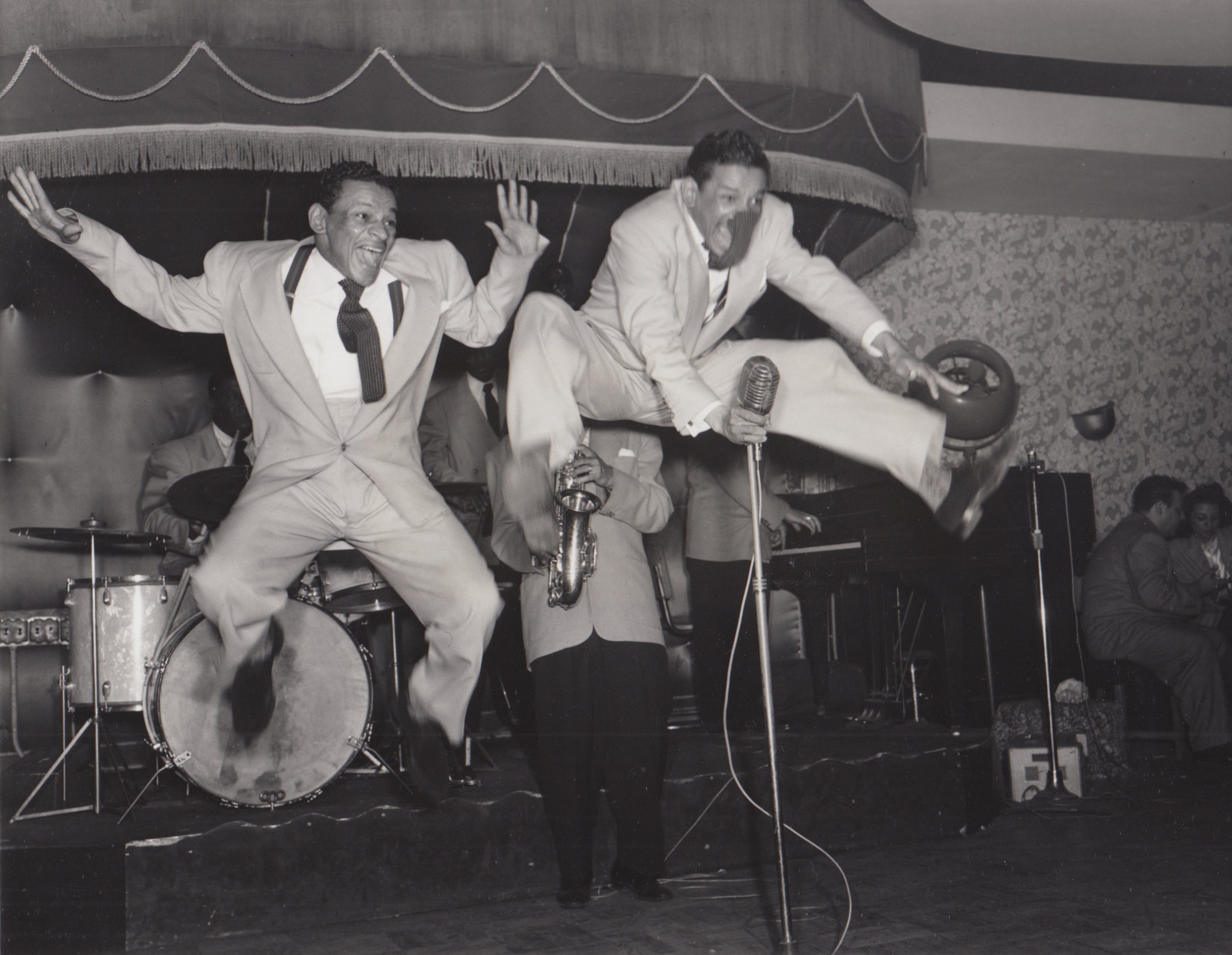
The story of rock ‘n’ roll’s birth

Sonya

1. Musical Roots

Rock ‘n’ roll didn’t just appear out of nowhere in the 1950s—it grew out of several musical traditions:

  • Blues – Especially electric blues from artists like Muddy Waters and Howlin’ Wolf, with raw, emotive guitar playing and storytelling lyrics.

  • Rhythm & Blues (R&B) – The driving backbeat and danceable rhythms from African American music in the 1940s.

  • Country & Western – Twangy guitars, storytelling, and harmonies from rural white America.

  • Gospel – Call-and-response singing and emotional delivery that shaped vocal styles.

  • Boogie-Woogie & Swing – Energetic piano riffs and upbeat tempos from the big-band era.

These styles cross-pollinated in cities like Memphis, New Orleans, and Chicago, where musicians of different backgrounds shared stages, studios, and radio airtime.


2. The Cultural Spark

By the early 1950s, postwar America was primed for something new:

  • Teenagers had disposable income for the first time, and they didn’t want their parents’ music.

  • Radio DJs like Alan Freed began playing R&B records for mixed audiences, calling it “rock and roll” to make it sound fresh.

  • The record industry discovered that young listeners—Black and white—were responding to the same rhythms.


3. The Early Stars

Some key figures in rock’s birth:

  • Chuck Berry – Blended blues guitar riffs with clever lyrics about teenage life.

  • Little Richard – Wild, flamboyant, piano-pounding showmanship.

  • Elvis Presley – The first crossover megastar, mixing country (“hillbilly”) and R&B into a style called “rockabilly.”

  • Fats Domino – Smooth, New Orleans–style R&B that bridged the gap between older listeners and youth.

  • Bo Diddley – Created the iconic “Bo Diddley beat” that shaped countless rock songs.


4. Why It Was Revolutionary

Rock ‘n’ roll wasn’t just a sound—it was a cultural shift:

  • Racial integration – Black and white musicians were influencing each other’s work, challenging segregation in subtle but powerful ways.

  • Youth identity – The music became a symbol of rebellion against conservative postwar norms.

  • Media panic – Some adults feared rock would corrupt morals, which only made teenagers love it more.


5. The First Explosion (mid–1950s)


Songs like “Rock Around the Clock” (Bill Haley & His Comets, 1954) and “Maybellene” (Chuck Berry, 1955) took the sound mainstream. By 1956, with Elvis’s breakout hits and TV appearances, rock ‘n’ roll was a national—and soon international—phenomenon.


via ChatGPT

Автор:   Sonya  Версія:  1  Мова: Англійська  Переглядів: 0

 Рейтінг:  0 від 0

Рисунок: Посилання на джерело: https://www.google.com/url?sa=i&url=https%3A%2F%2Farchive.nytimes.com%2Flens.blogs.nytimes.com%2F2017%2F07%2F06%2Fcapturing-the-birth-of-rock-n-roll-eddie-rocco%2F&psig=AOvVaw37yInLece5ktziFNBZCFFm&ust=1755201370141000&source=images&cd=vfe&opi=899784

Коротке посилання: https://www.sponsorschoose.org/a362
Коротке посилання на цю версію: https://www.sponsorschoose.org/n393
Автор - Sonya дата: 2025-08-13 12:57:40
Остання зміна - Sonya дата: 2025-08-15 17:06:27