| Edit | Map | Home |  |
New Post | New Gallery |
Support
|

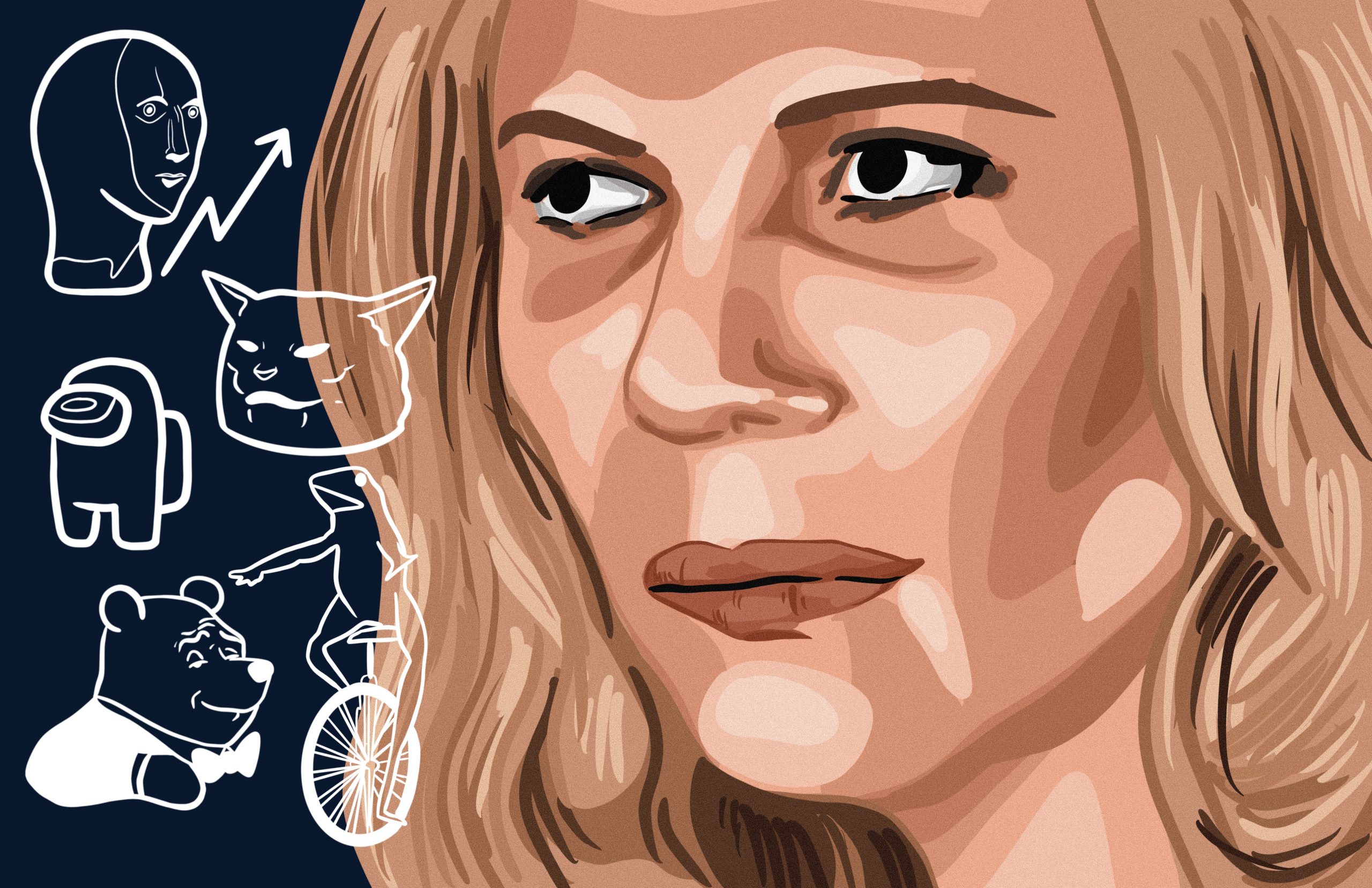 | |
Not so long ago, the word meme was known only to a handful of academics. It was coined in the 1970s by biologist Richard Dawkins to describe how ideas spread in a way similar to genes—through imitation, repetition, and adaptation. Back then, a “meme” could be anything: a catchy song, a phrase, even a cultural ritual. But in the age of the internet, the meaning shifted, condensed, and exploded into something completely new. Today, memes aren’t just jokes we scroll past—they are one of the defining cultural forces of the 21st century. The Early Internet: Inside Jokes on the Fringe As internet speeds improved and platforms like YouTube emerged, memes took on a new life. “Rickrolling,” “Charlie Bit My Finger,” and “Keyboard Cat” became part of the shared language of early internet users. They were simple, silly, and felt like inside jokes among the growing digital generation. The Rise of Social Media: Memes Go Mainstream This was the era of “Advice Animals” like Bad Luck Brian or Success Kid, where simple image macros with bold white text dominated feeds. Each one carried a story compressed into a single snapshot—a face, an expression, a punchline that anyone could remix. Humor evolved from text-heavy jokes to instantly recognizable symbols. Memes had become a universal shorthand. The Meme as Commentary and Protest Suddenly, a funny picture wasn’t just a laugh—it was also a weapon, a critique, a way of resisting or rallying. Memes could mock authority, capture public frustration, or shine a light on absurdity faster than any news outlet could. In an age of short attention spans, a meme could say what a thousand-word article couldn’t. The Meme Economy And then came NFTs and digital collectibles, where memes like Nyan Cat were auctioned for hundreds of thousands of dollars. What began as internet humor had become intellectual property, art, and commerce rolled into one. The Personal Meme: Identity in Pixels Memes are also deeply tied to generational identity. Millennials embraced ironic, text-heavy humor; Gen Z has leaned into surreal, absurdist, and often self-deprecating memes. Each generation shapes memes in its own image, reflecting both its anxieties and its creativity. The Future: Memes Without Borders As artificial intelligence creates new possibilities for content, memes may evolve again—generated in seconds, customized to each person’s humor. But no matter how they change, the essence will remain the same: quick, clever, and endlessly replicable.
Memes began as silly jokes passed around obscure corners of the internet. Now, they are culture itself—tiny snapshots of our collective consciousness, shaping how we laugh, argue, protest, and connect. They are proof that sometimes, the simplest things—a picture, a phrase, a joke—can capture the spirit of an entire generation.
via ChatGPT |
Author: Sonya Version: 1 Language: English Views: 0
Picture: Source: https://www.google.com/url?sa=i&url=https%3A%2F%2Fwww.typelish.com%2Fb%2Fmeme-culture-and-how-it-became-an-integral-part-of-social-media-100608&psig=AOvVaw00FDm0xNDTwXYhwwYOBiIR&ust=1755548079515000&source=images&cd=vfe&opi=89978449&ved=0CBUQjRxqFwoT
|
Short link: https://www.sponsorschoose.org/a405
Short link to this version: https://www.sponsorschoose.org/n436
Created by Sonya at 2025-08-17 13:15:44
Last modified by Sonya at 2025-08-17 13:22:06
|