| Edit | Map | Home |  |
New Post | New Gallery |
Support
|

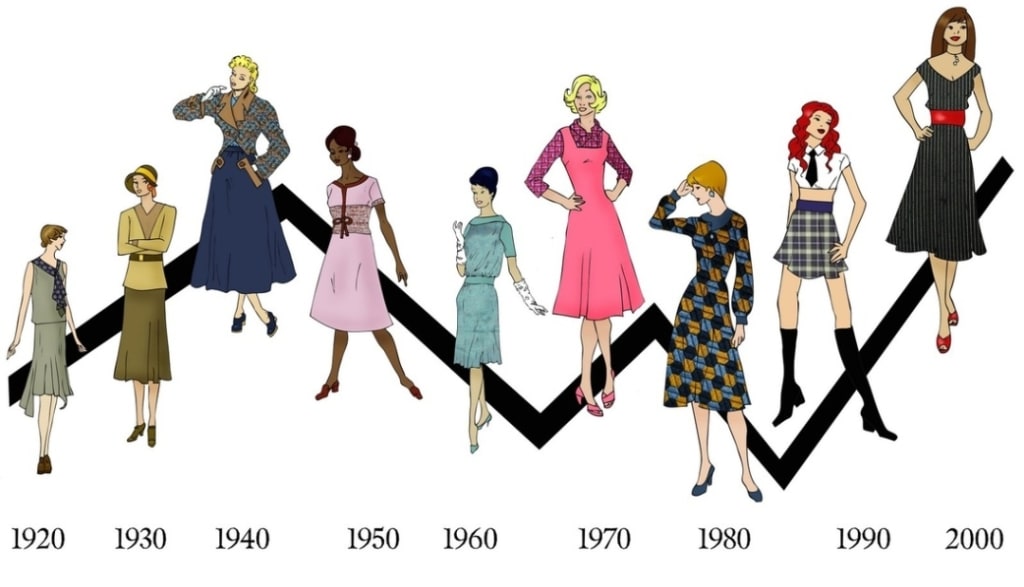 | |
Fashion has always been more than clothing. It is identity, rebellion, aspiration, and culture stitched into fabric. If the 20th century gave us iconic silhouettes like the flapper dress of the 1920s or the power suits of the 1980s, the 21st century has become something else entirely: an age where fashion evolves at lightning speed, influenced not only by designers but also by technology, politics, and ordinary people armed with smartphones. To trace the evolution of fashion in the past two decades is to witness a story of constant reinvention, where old rules collapse and new ones emerge almost overnight. The Early 2000s: The Age of Excess and Pop Culture But beyond the glitz, the early 2000s also reflected the optimism and uncertainty of a new century. The internet was still young, and fashion inspiration spread through magazines and music videos rather than Instagram feeds. It was a simpler time, though often remembered for bold (and sometimes questionable) experiments. The 2010s: Social Media and the Democratization of Style Trends like “normcore” celebrated plain, anti-fashion clothing, while hipster aesthetics embraced flannel shirts, skinny jeans, and vintage glasses. The rise of athleisure blurred the lines between gym wear and everyday fashion—leggings, sneakers, and hoodies became staples for all occasions. Meanwhile, fast fashion giants like Zara, H&M, and Forever 21 capitalized on the hunger for constant novelty, churning out runway-inspired looks at record speed. Yet alongside the rapid pace of consumption came growing concerns about sustainability. Documentaries and exposés revealed the human and environmental cost of cheap fashion, sparking movements toward ethical clothing and secondhand shopping. The 2010s were a decade of contradictions: excess on one hand, consciousness on the other. The 2020s: Identity, Inclusivity, and Experimentation But beyond the pandemic, the 2020s are reshaping fashion into something far more inclusive and boundary-breaking. Gender-neutral clothing lines are thriving, reflecting a shift toward fluidity in self-expression. Plus-size representation, once overlooked, is gaining visibility on runways and in campaigns. Traditional beauty standards are giving way to diversity, with models of different ages, backgrounds, and body types redefining what it means to be fashionable. Technology is also pushing boundaries. Digital fashion—clothing that exists only online—has become a frontier for creativity, where garments defy the limits of physics. Brands experiment with augmented reality fitting rooms, while NFTs and virtual wardrobes open new ways to consume style without physical waste. Fashion has stepped into the digital age in ways unimaginable just a decade ago. The Return of Nostalgia What Ties It All Together
Fashion in the 21st century is no longer just about clothes. It’s about identity, politics, technology, sustainability, and community. It reflects our hopes and anxieties, our nostalgia and our dreams for the future. Above all, it tells the story of a world that moves faster than ever, where style is constantly evolving but always remains one of humanity’s favorite ways to express itself.
via ChatGPT |
Author: Sonya Version: 1 Language: English Views: 0
Picture: Source: https://www.google.com/url?sa=i&url=https%3A%2F%2Fvocal.media%2Feducation%2Fthe-evolution-of-fashion-trends-in-the-21st-century&psig=AOvVaw0FMPTFmnBPFPUIQfHjYAVz&ust=1755547821180000&source=images&cd=vfe&opi=89978449&ved=0CBUQjRxqFwoTCMC4o7fTko8DFQAA
|
Short link: https://www.sponsorschoose.org/a403
Short link to this version: https://www.sponsorschoose.org/n434
Created by Sonya at 2025-08-17 13:11:36
Last modified by Sonya at 2025-08-17 13:22:06
|