| Edit | Map | Home |  |
New Post | New Gallery |
Support
|

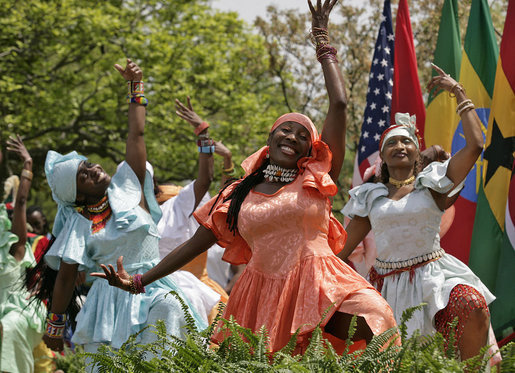 | |
Imagine a night in a small African village. The sun has set, the air is warm, and the only light comes from the fire at the center of the gathering. Slowly, the sound of drums begins. The rhythm is steady at first, then it grows, calling everyone closer. Men, women, and children gather in a circle. Then, almost as if the music takes over their bodies, the dancing begins. In Africa, dance has never been “just dance.” It is language, prayer, history, and identity woven together through movement. Long before stories were written in books, they were told through rhythm and the body. A hunter’s victory, the arrival of the rainy season, the memory of ancestors — all of these could be told without a single word, only through dance. For many communities, dance is a sacred bridge between the living and the spirit world. Certain steps, performed to the right rhythm, are believed to invite ancestors to join the celebration or offer their blessings. At weddings, dances speak of love and union; at funerals, they express grief but also hope, helping the soul find its way. Even in times of hardship, dance has been a form of healing — a way of releasing pain and reclaiming joy. But dance is also about people. It is rarely done alone. In most African traditions, the whole community participates, whether by moving, clapping, or singing along. Children watch the elders, copying their steps, learning not just how to move, but how to belong. In those shared circles, dance teaches respect, unity, and pride. It reminds everyone: you are part of something bigger. What makes African dance even more powerful is its deep bond with music. The drummer doesn’t simply play — he talks through the drum. The dancer listens and answers back with the body. This conversation between rhythm and movement is alive, changing with every performance. No two dances are ever the same, because life itself is never the same.
So when you see African dance, you’re not just watching art. You’re witnessing a heartbeat of culture, a moving story that has survived for generations. Dance is where Africa remembers, celebrates, mourns, and dreams — all at once.
via ChatGPT |
Author: Sonya Version: 1 Language: English Views: 0
Picture: Source: https://www.google.com/url?sa=i&url=https%3A%2F%2Fen.wikipedia.org%2Fwiki%2FAfrican_dance&psig=AOvVaw3gC2SERxWmE8nbqvuTqhh3&ust=1755465993109000&source=images&cd=vfe&opi=89978449&ved=0CBUQjRxqFwoTCKjUiMqikI8DFQAAAAAdAAAAABAE
|
Short link: https://www.sponsorschoose.org/a388
Short link to this version: https://www.sponsorschoose.org/n419
Created by Sonya at 2025-08-16 14:27:01
Last modified by Sonya at 2025-08-17 13:22:06
|