Ця галерея з усіма галереями та композиціями всередині її буде вилучена і не може бути відтворена. Ви впевнені?
Виконання...

Ім'я або е-мейл вашого друга, кому буде надіслано це повідомлення:

Будь ласка, відредагуйте текст, як ви бажаєте.

The rise of superhero movies

Sonya

There was a time when superhero stories lived quietly on the colorful pages of comic books, tucked away on the shelves of small shops and devoured by a devoted but niche audience. These stories were imaginative, sometimes campy, sometimes profound, but rarely taken seriously by the mainstream. Few could have predicted that, decades later, superheroes would dominate the global box office, spark billion-dollar franchises, and become some of the most recognizable cultural icons of the modern age. The rise of superhero movies is not just about capes, masks, and special effects — it’s the story of how mythmaking evolved for a new era.

The Early Days: Camp and Curiosity
Superheroes first leapt from the page to the screen in the mid-20th century, but the results were often modest and even a little awkward. The 1960s television series Batman with Adam West gave audiences a campy, colorful version of the Dark Knight — full of “Bam!” and “Pow!” comic bubbles — that was more parody than drama. Superman, however, got his first serious big-screen moment in 1978 with Richard Donner’s Superman: The Movie. Starring Christopher Reeve, the film promised audiences that “you’ll believe a man can fly,” and for the first time, superhero cinema was treated with a touch of wonder and gravitas. It laid the groundwork for what could be possible.

The Dark Turn: Grit and Complexity
The 1980s and 1990s brought experimentation. Tim Burton’s Batman (1989) gave audiences a darker, gothic Gotham, reshaping the idea of what a superhero film could be — more stylized art than campy cartoon. But alongside successes came missteps. Sequels often leaned too heavily on spectacle, and by the late ’90s, films like Batman & Robin (1997) pushed the genre back into ridicule. Bright costumes, cheesy dialogue, and over-the-top villains nearly sank the credibility of superheroes on screen.

And then came a rebirth.

A New Beginning: X-Men and Spider-Man
At the turn of the millennium, studios began to see superheroes not just as children’s entertainment but as modern myths with the potential for serious storytelling. Bryan Singer’s X-Men (2000) introduced a team of outcasts struggling for acceptance, using the mutant metaphor to touch on real-world issues like prejudice and identity. Sam Raimi’s Spider-Man (2002) took it further. With Tobey Maguire’s heartfelt performance, audiences connected deeply with Peter Parker’s struggles — the shy student turned reluctant hero. The film was a box office juggernaut, and suddenly, superheroes weren’t just profitable — they were relatable.

The Marvel Revolution
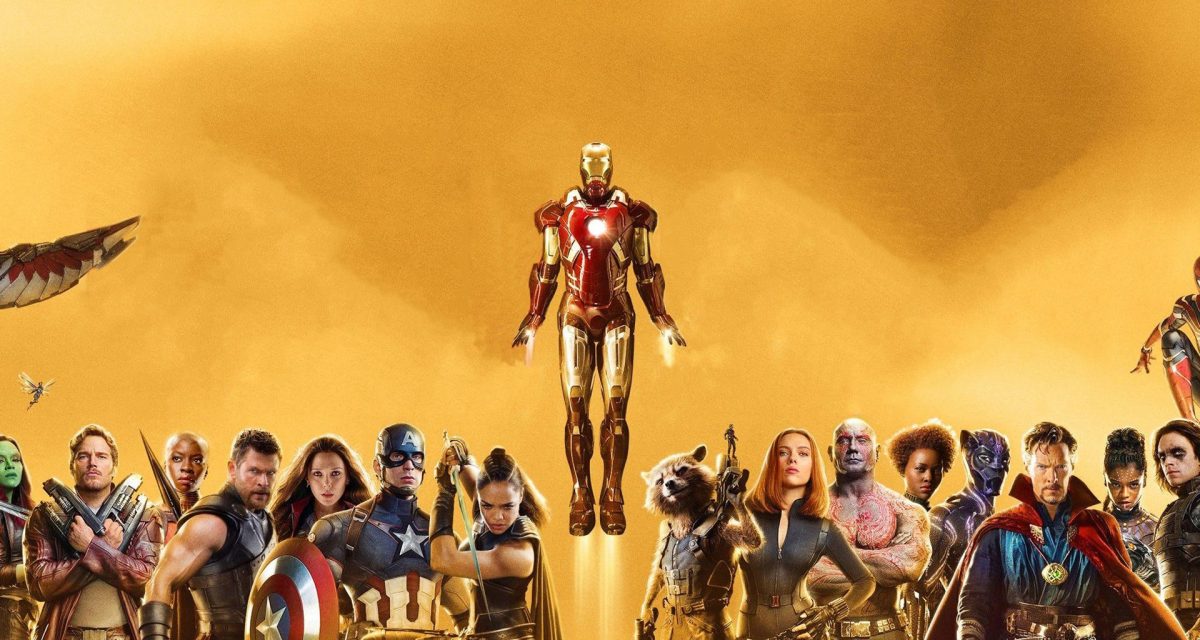
But the real turning point arrived in 2008, when a then-unproven studio, Marvel, released Iron Man. Starring Robert Downey Jr., the film balanced humor, charisma, and action in a way that felt fresh. More importantly, it teased something bigger: a connected universe. One by one, Marvel built its cinematic empire, weaving characters and stories together until they culminated in The Avengers (2012). By then, the superhero movie wasn’t just popular — it was the cultural event of the decade.

What followed was unprecedented. The Marvel Cinematic Universe (MCU) expanded into an interconnected saga spanning dozens of films, each drawing millions into theaters. Characters once considered second-tier — like Guardians of the Galaxy or Ant-Man — became household names. Audiences weren’t just watching movies; they were following an evolving tapestry of stories, almost like modern-day serialized epics.

The Competition and the Saturation Question
Not to be outdone, DC tried to build its own cinematic universe, though with mixed results. Yet Christopher Nolan’s The Dark Knight trilogy (2005–2012) proved that superhero films could be more than popcorn blockbusters. Nolan gave audiences a Gotham grounded in realism, with moral dilemmas, terrorism, and political undertones. Heath Ledger’s Joker remains one of cinema’s most haunting villains, proof that these stories could reach Shakespearean levels of depth.

By the mid-2010s, superheroes dominated the cultural landscape. Every summer (and increasingly, every season), new caped figures arrived on screen. For some, this sparked “superhero fatigue.” Were audiences growing tired of endless sequels, prequels, and reboots? And yet, box office numbers told another story: billions continued to pour in, proving the genre had remarkable staying power.

Why Superheroes Matter
What makes superhero movies so enduring isn’t just the battles and special effects — it’s the timeless appeal of the archetypes they embody. Superheroes are our modern myths. Just as ancient cultures told tales of Hercules, Thor, or Gilgamesh, we tell stories of Spider-Man, Wonder Woman, and Black Panther. They grapple with the same eternal questions: What does it mean to be good? How does one use power responsibly? How do we face loss, fear, and injustice?

Moreover, superhero films have grown more diverse and inclusive, reflecting a broader world. Black Panther (2018) became a cultural milestone, celebrating African heritage while breaking box office records. Wonder Woman (2017) gave audiences a female-led blockbuster that inspired millions. Superheroes no longer belong to one kind of audience — they belong to everyone.

The Future of the Genre
Today, superhero movies face both opportunity and challenge. The genre is evolving — some films lean into humor and self-awareness (Deadpool, Shazam!), while others push into darker, artistic territory (Joker, The Batman). Streaming platforms are expanding the storytelling canvas with series that allow for more character depth. The question isn’t whether superheroes will fade but rather how they will transform to keep resonating with audiences.

From comic shop corners to red carpets, from niche fandoms to global stages, superheroes have risen to become one of the most dominant cultural forces of our time. They are more than entertainment — they are reflections of who we are, who we want to be, and how we dream about the future. And as long as we crave stories of courage, justice, and hope, it’s hard to imagine a world without them lighting up our screens.


via ChatGPT

Автор:   Sonya  Версія:  1  Мова: Англійська  Переглядів: 0

 Рейтінг:  0 від 0

Рисунок: Посилання на джерело: https://www.google.com/url?sa=i&url=https%3A%2F%2Fmountainlionmessenger.com%2F1979%2Fopinion%2Fthe-rise-and-fall-of-the-superhero-genre%2F&psig=AOvVaw3U_UOArvi_4EtKmUYZLr3B&ust=1755547678260000&source=images&cd=vfe&opi=89978449&ved=0CBUQjRxqFwoTCLifo

Коротке посилання: https://www.sponsorschoose.org/a402
Коротке посилання на цю версію: https://www.sponsorschoose.org/n433
Автор - Sonya дата: 2025-08-17 13:09:21
Остання зміна - Sonya дата: 2025-08-17 13:22:06