| Edit | Map | Home |  |
New Post | New Gallery |
Support
|

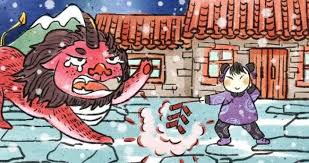 | |
The Story Behind Chinese New YearChinese New Year, also called the Spring Festival (春节 Chūnjié), is the most important celebration in China and across much of Asia. More than just a holiday, it’s a blend of myth, tradition, and renewal that has been shaping communities for over 4,000 years. 1. The Myth of Nian: Where It All BeganAccording to legend, a fierce beast called Nian (年, also the word for “year”) lived in the mountains. Every New Year’s Eve, it would descend on villages, devouring crops, livestock, and even people.
This myth gave rise to many New Year customs still practiced today. 2. A Festival of RenewalTraditionally, Chinese New Year marks the end of winter and the arrival of spring. It’s about sweeping away the old and welcoming the new:
3. The Lunar Calendar and Zodiac AnimalsUnlike the Western New Year, Chinese New Year is based on the lunar calendar and usually falls between late January and mid-February.
So, someone might not just be born in the Year of the Dragon — but in a Wood Dragon year, which has its own character traits. 4. Symbolic Foods and TraditionsFood plays a central role, and every dish carries meaning:
Other customs include:
5. The Lantern Festival: A Bright FinaleThe celebration doesn’t end after one night. Chinese New Year lasts 15 days, culminating in the Lantern Festival.
6. A Festival That Travels the WorldWith millions of people of Chinese heritage worldwide, Spring Festival is now celebrated in cities across the globe. From San Francisco’s giant dragon parades to London’s Chinatown festivities, the holiday has become a symbol of cultural pride and community. Why It Still Matters
Chinese New Year is more than fireworks and red lanterns. It’s about family, renewal, and resilience — values rooted in ancient myth but still deeply relevant today. Every year, it invites people not just to celebrate, but to reflect: leave the old year behind, embrace good fortune, and start fresh with hope.
via ChatGPT |
Автор: Sonya Версія: 1 Мова: Англійська Переглядів: 0
Рисунок: Посилання на джерело: https://www.google.com/url?sa=i&url=https%3A%2F%2Fworldtreasures.org%2Fblog%2Fa-brief-history-of-the-chinese-new-year&psig=AOvVaw1-wJ1lkUaeR0dH9ARW2U_M&ust=1755465168874000&source=images&cd=vfe&opi=89978449&ved=0CBUQjRxqFwoTCPC6lcGfkI8DFQAAAAAdAAAAAB
|
Коротке посилання: https://www.sponsorschoose.org/a385
Коротке посилання на цю версію: https://www.sponsorschoose.org/n416
Автор - Sonya дата: 2025-08-16 14:14:07
Остання зміна - Sonya дата: 2025-08-17 13:22:07
|