| Edit | Map | Home |  |
New Post | New Gallery |
Support
|

 | |
The Discovery of Antibiotics: When Mold Changed the WorldIt was September 1928 in London. The air was damp, the lab cluttered, and Dr. Alexander Fleming — a Scottish bacteriologist at St. Mary’s Hospital — had just returned from vacation. On his workbench sat petri dishes, streaked with colonies of Staphylococcus bacteria, the sort that caused boils, sore throats, and dangerous infections. Most of the dishes looked as expected: cloudy with bacterial growth. But one dish looked different. Around a small patch of greenish-blue mold, the bacteria had vanished — killed off as if by some invisible hand. Fleming leaned closer. The mold wasn’t merely contaminating his experiment. It was fighting back. That moment, so ordinary at first glance, marked the beginning of one of the most important revolutions in medical history: the discovery of antibiotics. Before Antibiotics: A World of Fear Doctors tried everything: antiseptics, herbal remedies, even arsenic compounds. Some helped, but none could reliably kill bacteria without harming the patient. Humanity had learned to live with the constant shadow of infection — until a patch of mold opened the door to hope. Fleming’s Observation In 1929, Fleming published his findings. But penicillin was unstable, difficult to extract, and seemed impractical for widespread use. The world, still reeling from the Great War and economic depression, did not yet grasp the treasure sitting in his petri dish. For a decade, penicillin remained little more than a laboratory curiosity. The Race to Develop Penicillin But producing enough was a nightmare. Penicillin was fragile, its yields small, and large-scale production seemed impossible. The team scraped mold from tins, milk cans, even bedpans, trying to coax it to grow. At one point, they resorted to carrying vials of penicillin in their coat pockets during the Blitz, lest a bombing destroy their only supply. Then came World War II — and with it, urgency. Soldiers wounded in battle needed protection from infection as much as from bullets. The U.S. and British governments invested heavily in scaling production. American pharmaceutical companies pioneered new fermentation techniques, eventually discovering a strain of mold on a cantaloupe in Illinois that produced penicillin in abundance. The world’s first true antibiotic was ready to change history. The Miracle Drug in Action By the war’s end, penicillin was hailed as the “miracle drug.” It not only saved lives but shifted the course of modern medicine. Fleming, Florey, and Chain shared the Nobel Prize in 1945, recognized for a discovery that had reshaped the boundaries of human survival. The Age of Antibiotics But with success came new challenges. Bacteria, ever adaptable, began to resist antibiotics. Even Fleming himself warned in 1945 that misuse — underdosing, overprescribing, or using antibiotics carelessly — could breed “resistant microbes.” His warning, prophetic then, is a crisis today. A Mold That Changed Humanity The discovery of antibiotics reminds us that history often turns on the smallest details: a speck of mold, a scientist’s decision to look closer instead of sweeping it away. From that chance moment, medicine was reborn.
Standing in Fleming’s restored laboratory today, you can still see the cluttered benches, the glass dishes, the quiet chaos of discovery. It looks ordinary. And yet, from this room, a new chapter of human survival began — one in which death from a simple cut was no longer inevitable, and the balance between humankind and microbes shifted forever.
via ChatGPT |
Author: Sonya Version: 1 Language: English Views: 0
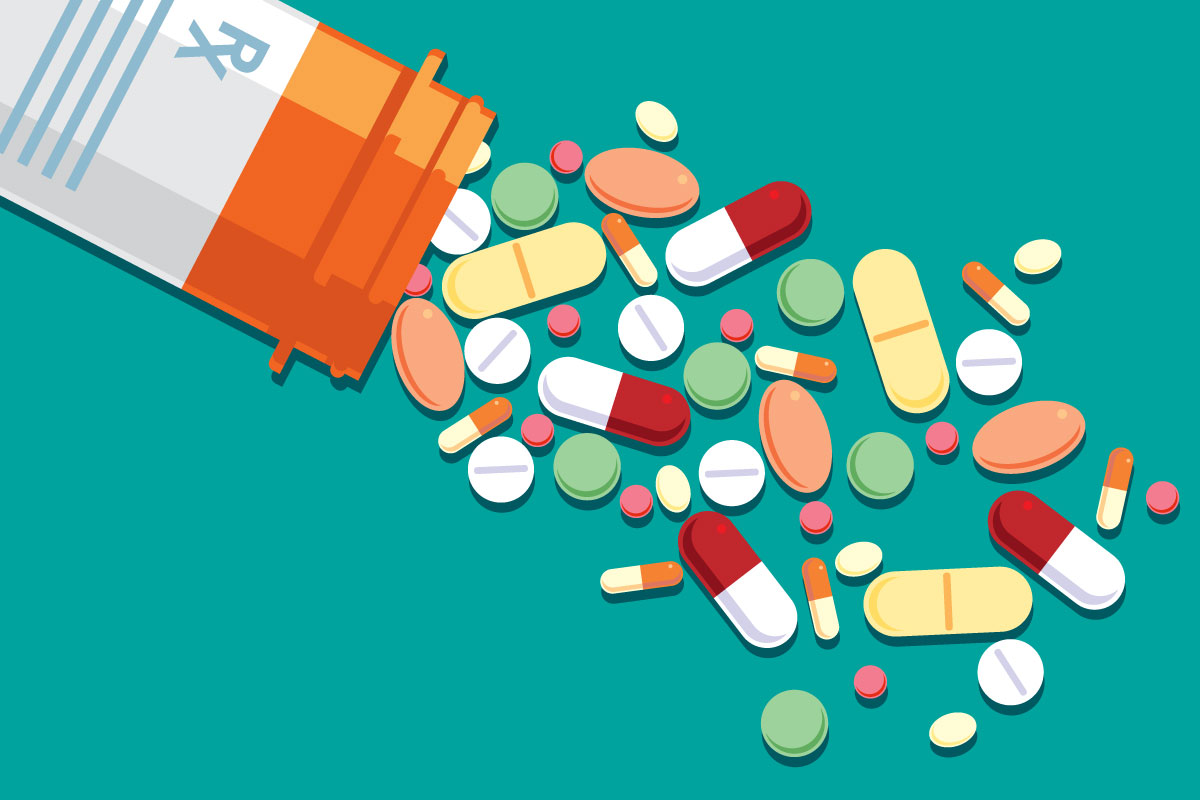
Picture: Source: https://www.google.com/url?sa=i&url=https%3A%2F%2Fdrtoddmaderis.com%2Fantibiotics-for-lyme-disease&psig=AOvVaw0XnafTiRei0dXCkjidn3AZ&ust=1755794379447000&source=images&cd=vfe&opi=89978449&ved=0CBUQjRxqFwoTCOiUpPbpmY8DFQAAAAAdAAAAABAE
|
Short link: https://www.sponsorschoose.org/a422
Short link to this version: https://www.sponsorschoose.org/n453
Created by Sonya at 2025-08-20 09:41:53
Last modified by Sonya at 2025-08-22 11:13:03
|