| Edit | Map | Home |  |
New Post | New Gallery |
Support
|

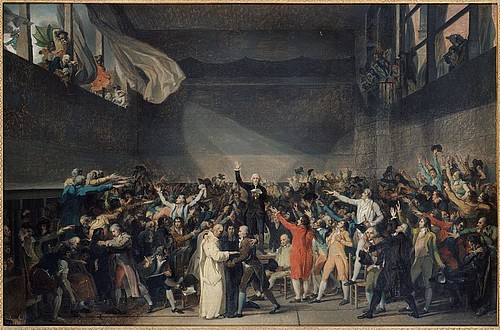 | |
Picture Paris in the summer of 1789. The air is heavy with tension. Crowds gather in narrow streets, rumors spread like wildfire, and the people’s patience has run out. Bread is scarce, taxes are crushing, and the glittering halls of Versailles, where King Louis XVI and Queen Marie Antoinette live in luxury, feel like another universe. On July 14, an angry crowd storms the Bastille prison — a fortress that stood as a symbol of royal power. The revolution has begun, and with it, France will never be the same. Why It Happened French society was divided into three “Estates.” The First Estate was the clergy, the Church, wealthy and privileged. The Second Estate was the nobility, landowners with titles and influence. And the Third Estate — everyone else, from merchants and artisans to poor peasants — carried nearly all the tax burden. Imagine being a farmer, giving away nearly half of your harvest in taxes, while nobles lived in splendor exempt from the same rules. Anger built up year after year, and by the late 1780s, it was ready to explode. The Spark Word spread quickly — the people were rising, and the old order was trembling. The Storming of the Bastille A New France Meanwhile, Versailles was no longer untouchable. In October 1789, a mob of women marched to the palace, furious over the lack of bread. They demanded the king return to Paris under their watchful eyes. From that moment, Louis XVI was effectively a prisoner of the Revolution. The Fall of the Monarchy But the Revolution was not just about overthrowing the king — it was also about power struggles within France itself. Different factions emerged: moderates, radicals, and revolutionaries who disagreed on how far change should go. The Reign of Terror Tens of thousands were executed by guillotine — nobles, priests, ordinary citizens, even revolutionaries who were seen as “not revolutionary enough.” The guillotine became a symbol of equality, in the most brutal sense: rich or poor, your head rolled the same way. Paris lived in constant fear, the Revolution devouring its own. The End of an Era, the Start of Another What It Meant The Revolution gave the world ideas that still resonate today: the right to equality, the power of the people, and the belief that governments exist to serve their citizens. It also left a warning — that change can come at a heavy cost, and that revolutions, once unleashed, are hard to control.
The French Revolution wasn’t just a chapter in French history. It was a turning point for the modern world: the moment when the old order cracked, and the people demanded something new.
via ChatGPT |
Author: Sonya Version: 1 Language: English Views: 0
Picture: Source: https://www.google.com/url?sa=i&url=https%3A%2F%2Fwww.worldhistory.org%2FFrench_Revolution%2F&psig=AOvVaw1VzZ1mhn15jwkjeXeMClFQ&ust=1755633464961000&source=images&cd=vfe&opi=89978449&ved=0CBUQjRxqFwoTCPDCvLuSlY8DFQAAAAAdAAAAABAK
|
Short link: https://www.sponsorschoose.org/a410
Short link to this version: https://www.sponsorschoose.org/n441
Created by Sonya at 2025-08-18 12:58:53
Last modified by Sonya at 2025-08-22 13:11:35
|