| Edit | Map | Home |  |
New Post | New Gallery |
Support
|

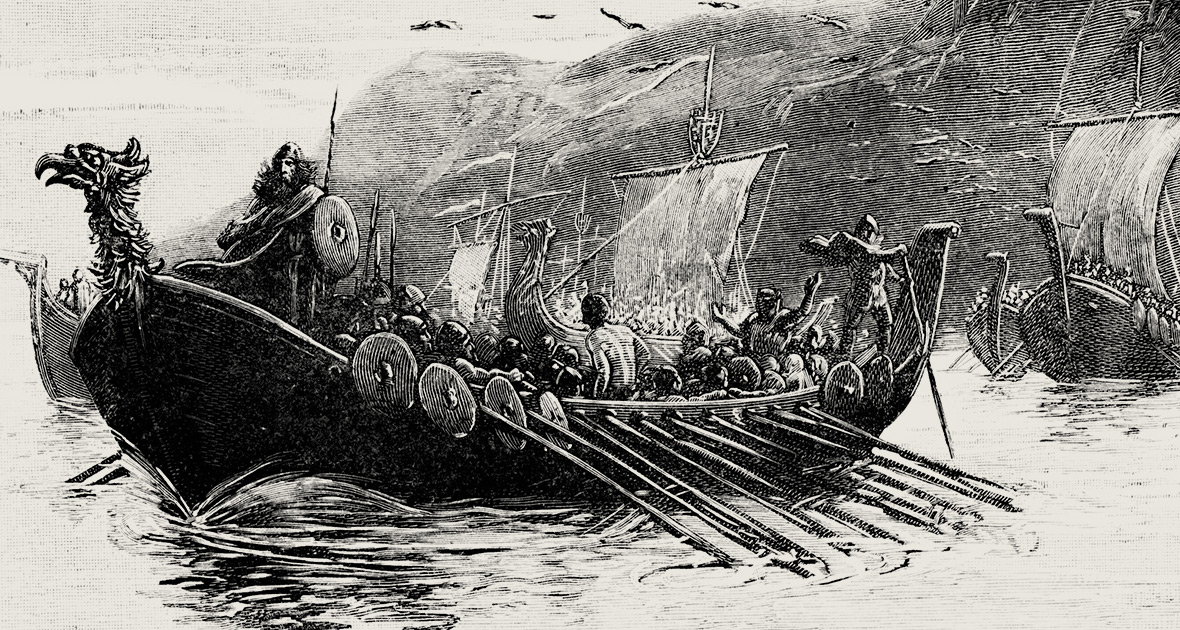 | |
The Vikings and Their Voyages: Raiders, Traders, and ExplorersThe dawn mist hangs low over the fjords of Scandinavia. Long, sleek ships rest on the water, their dragon-headed prows watching the horizon. Warriors in woolen cloaks and iron helmets tighten their belts, grip their shields, and prepare to push off. With the rhythmic splash of oars, the ships slide into the open sea, beginning voyages that would carry the Vikings far beyond their northern homelands — across Europe, into Asia, and even to the shores of North America. For three centuries, from the late 700s to the 11th century, the Vikings were the most feared and admired seafarers in the world. To some, they were ruthless raiders who descended on coastal villages in fire and steel. To others, they were daring traders, skilled craftsmen, and explorers who connected distant cultures. Their story is one of both violence and vision, a tale written on the waves of the North Atlantic. The World They Came From At home, Viking society was structured around clans and chieftains. Honor, loyalty, and reputation mattered above all. To fall in battle was not tragedy but a path to Valhalla, the great hall of Odin, where warriors feasted forever. Such beliefs fueled their courage, making them formidable foes on any shore. The Longships: Keys to the World With them, the Vikings could strike where others thought safe: monasteries on remote islands, towns deep along rivers, even great cities like Paris and Constantinople. Raiders of the Seas Yet raiding was only part of their story. Alongside destruction came settlement. The Vikings built new communities in Ireland, England, and Normandy, blending with local cultures and leaving their mark on languages, laws, and place names. Traders and Travelers In Constantinople, the Vikings — known there as the Varangians — became both merchants and mercenaries. The Byzantine emperors trusted them as bodyguards, the famed Varangian Guard, whose loyalty and ferocity were legendary. Explorers to the Edge of the World They discovered and settled Iceland in the late 9th century, transforming it from empty wilderness into a thriving community of farms and assemblies. From there, they reached Greenland, carving out settlements on its harsh coasts. And around the year 1000, a Viking named Leif Erikson — son of Erik the Red — sailed even farther, landing on the shores of Vinland, believed to be part of North America. Nearly 500 years before Columbus, the Vikings had crossed the Atlantic. Though their North American settlement was short-lived, it revealed their daring: they were not only raiders but pioneers, willing to push the boundaries of the known world. Everyday Life and Legacy By the 11th century, the Viking Age faded as Scandinavia converted to Christianity, kingdoms centralized, and raiding gave way to state-building. But their influence endured. They left behind towns like Dublin and York, shaped European politics, and expanded the horizons of exploration. The Viking Spirit
Today, standing on a Scandinavian fjord or at the ruins of a Viking hall, you can still imagine the moment when a sail appeared on the horizon — and history changed course. The Vikings remind us of humanity’s restless drive to go farther, to risk everything for glory, survival, or discovery.
via ChatGPT |
Author: Sonya Version: 1 Language: English Views: 0
Picture: Source: https://www.google.com/url?sa=i&url=https%3A%2F%2Fwww.battlemerchant.com%2Fen%2Fblog%2Fthe-vikings-in-america-discoveries-and-traces-of-the-norsemen&psig=AOvVaw2GKnYYAORnlfhZJBQMEXr1&ust=1755723261253000&source=images&cd=vfe&opi=89978449&ved=0CBUQjRx
|
Short link: https://www.sponsorschoose.org/a419
Short link to this version: https://www.sponsorschoose.org/n450
Created by Sonya at 2025-08-19 13:55:41
Last modified by Sonya at 2025-08-22 13:11:34
|