The gallery with all subgalleries and compositions will be permanently deleted and cannot be recovered. Are you sure?
Executing...

Name or e-mail of your friend, to whom the message will be sent:

Please, edit the text of the message you are about to send.

How climate change affects animals

Sonya

How Climate Change Affects Animals: Survival in a Changing World

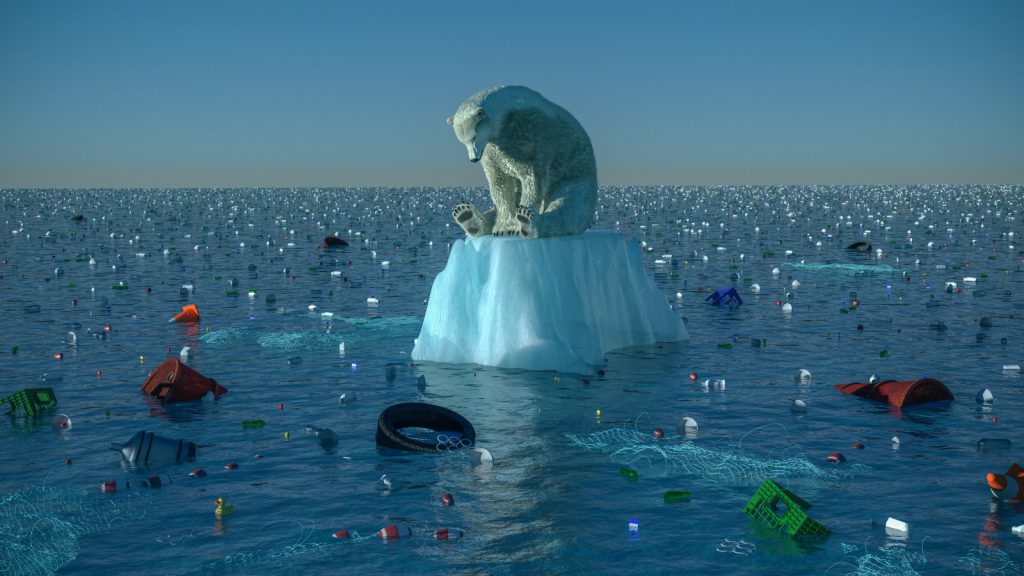
Imagine being a polar bear on the Arctic ice. For generations, your ancestors roamed these frozen seas, hunting seals that surfaced through breathing holes. Now the ice melts earlier each spring and forms later each fall. The hunting season shrinks. You swim longer distances between floes, burning precious energy. Starvation lurks closer than ever.

This is the reality of climate change for countless species — not just in the frozen north, but across deserts, oceans, forests, and grasslands. Animals evolved to fit particular environments. When those environments shift rapidly, survival becomes a race against time.


Shifting Homes and Lost Habitats
Climate change reshapes landscapes. As temperatures rise, some species are forced to move to cooler regions — uphill into mountains or farther north and south toward the poles. But mountains have peaks, and once animals reach the top, there is nowhere left to go.

  • In the Himalayas, snow leopards face shrinking hunting grounds as warming pushes prey species upward.

  • In North America, moose struggle as ticks thrive in warmer winters, draining their strength.

  • Amphibians in tropical forests lose breeding grounds as rainfall patterns change.

For many species, the question is not just whether they can move, but whether they can move fast enough.


The Ocean Under Pressure
Marine life is especially vulnerable. The ocean absorbs much of the excess heat and carbon dioxide from the atmosphere. Warmer waters disrupt migration routes and breeding cycles.

  • Coral reefs bleach and die, stripping away homes for thousands of species of fish and invertebrates.

  • Sea turtles, whose hatchlings’ sex is determined by sand temperature, now see unbalanced populations, with far more females than males hatching on warmer beaches.

  • Whales and fish shift their feeding grounds as plankton and krill populations move with changing currents.

The sea, once a sanctuary of stability, is becoming unpredictable.


Mismatched Seasons
Climate change also disrupts the delicate timing of nature. Many species rely on seasonal cues — temperature, rainfall, daylight — to know when to migrate, breed, or bloom. But those cues are shifting.

Birds arrive at nesting grounds expecting insects to feed their chicks, only to find the insect peak has already passed. Caribou in the Arctic migrate to calving grounds, but plants have bloomed too early, leaving little nourishment. This “ecological mismatch” means even animals that adapt their behavior may find their survival strategies failing.


Rising Heat and Extreme Weather
Heatwaves, wildfires, floods, and hurricanes hit animals as hard as humans — often harder. Entire colonies of bats in Australia have fallen dead from trees during extreme heat. Floods wash away nesting sites, fires consume forests faster than species can flee, and prolonged droughts leave rivers and watering holes barren.

Animals that once endured seasonal hardships now face disasters too frequent and intense to recover from.


The Risk of Extinction
Some species adapt quickly, shifting diets, breeding times, or migration routes. But others cannot change fast enough. Specialists — animals that rely on very specific habitats or foods — are especially vulnerable. The golden toad of Costa Rica is already gone, believed to have vanished due to warming and changing rainfall. Others teeter on the brink, their survival hinging on whether humans act in time.


Ripple Effects Through Ecosystems
When one species struggles, the impact ripples outward. Predators lose prey, pollinators vanish and plants fail to reproduce, invasive species spread into weakened ecosystems. Climate change doesn’t just threaten individual animals — it unravels the entire web of life.


Hope Amid the Challenge
Yet, amid these stories of loss, there are glimmers of hope. Conservationists are creating wildlife corridors to help species move as climates shift. Protected areas are being expanded, and communities are restoring habitats. Scientists are even experimenting with ways to help corals adapt to warmer seas.

Animals have always been resilient, and many are showing surprising adaptability. But they cannot do it alone. The pace of climate change is faster than natural evolution. Human choices — cutting emissions, protecting ecosystems, supporting wildlife — will decide whether countless species survive or vanish.


A Shared Fate
In the end, the story of climate change and animals is also a story about us. We share the same planet, the same air, the same waters. When forests fall silent, when oceans grow empty, when migrations end, humanity loses too — not just biodiversity, but balance, beauty, and wonder.

Protecting animals in the face of climate change is not just about saving them. It is about saving the intricate web of life that sustains us all. Every action to reduce emissions, restore forests, and safeguard habitats is a step toward ensuring the Arctic still echoes with polar bear tracks, the seas with whale songs, and the skies with the beating wings of migrating birds.


Because their survival is, ultimately, our survival too.


via ChatGPT

Author:   Sonya  Version:  1  Language: English  Views: 0

 Rating:  0 by 0

Picture: Source: https://www.google.com/url?sa=i&url=https%3A%2F%2Fwww.acorecycling.com%2Fthe-link-between-climate-change-and-biodiversity-loss%2F&psig=AOvVaw0TjJyXulJOXdf1c1iwJTP4&ust=1756223000795000&source=images&cd=vfe&opi=89978449&ved=0CBUQjRxqFwoTCJiHuNSmpo8DFQ

Short link: https://www.sponsorschoose.org/a468
Short link to this version: https://www.sponsorschoose.org/n499
Created by Sonya at 2025-08-25 08:45:08
Last modified by Sonya at 2025-08-25 08:45:27