| Edit | Map | Home |  |
New Post | New Gallery |
Support
|

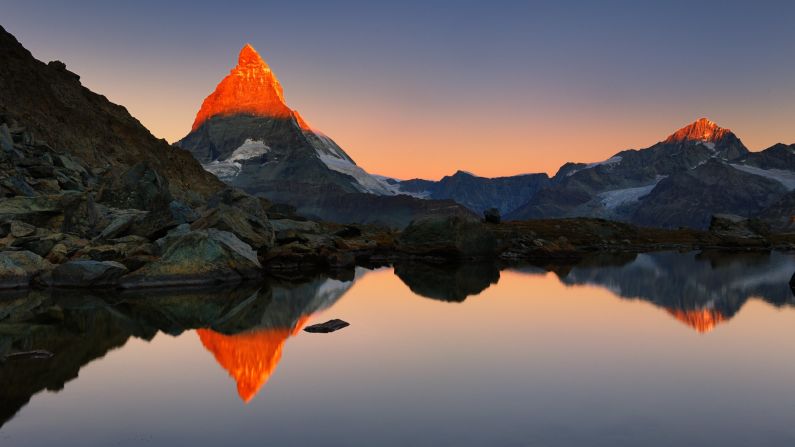 | |
How Mountains Affect Climate: The Sky’s ArchitectsMountains are often described as Earth’s backbone — towering ridges and peaks that slice across continents, rising into the sky with quiet authority. But mountains are more than dramatic landscapes; they are architects of weather and climate, shaping rainfall, winds, and even the patterns of life that thrive at their feet and on their slopes. To understand mountains is to understand how Earth breathes. The Rain Shadow Effect: Mountains as Rainmakers and Rain Thieves But by the time the air crosses the peak and descends the leeward side, it has lost much of its moisture. The descending air warms and dries, creating arid landscapes. This phenomenon, called the rain shadow effect, is why places like California’s Central Valley thrive with agriculture while nearby Nevada lies in desert. Mountains, in other words, decide who gets the rain and who gets the drought. Cooler Heights, Colder Climates This cooling effect creates a vertical variety of ecosystems. At the base, forests and grasslands dominate; higher up, alpine meadows bloom for just a few weeks each summer; and at the summit, life gives way to icy barrenness. Mountains condense the diversity of entire continents into a single slope. Mountains as Water Towers Without mountains, many of the world’s great rivers would dry up, and the fertile valleys below them would vanish. Winds, Storms, and Barriers In many ways, mountains are silent conductors of atmospheric symphonies. Islands in the Sky: Biodiversity and Microclimates The cloud forests of the Andes, for example, are home to orchids, hummingbirds, and spectacled bears. In the Himalayas, snow leopards prowl the high ridges while red pandas climb the forested slopes below. Each layer of elevation creates a new climate, and with it, a new world. Mountains and Climate Change The Pulse of the Planet To live near mountains is to live under their influence, whether you realize it or not. They are silent giants, sculptors of climate, and keepers of water.
When we look at mountains, we see stone and snow. But if we look deeper, we see something greater: a system that connects sky, water, land, and life — a reminder that climate is not just written in the clouds but also in the peaks that touch them.
via ChatGPT |
Author: Sonya Version: 1 Language: English Views: 0
Picture: Source: https://www.google.com/url?sa=i&url=https%3A%2F%2Fwww.cnn.com%2Ftravel%2Farticle%2Ficonic-mountains-world&psig=AOvVaw0fP19iT02ovXVZKWrqy2wn&ust=1756221861127000&source=images&cd=vfe&opi=89978449&ved=0CBUQjRxqFwoTCIC5rrWipo8DFQAAAAAdAAAAABAT
|
Short link: https://www.sponsorschoose.org/a462
Short link to this version: https://www.sponsorschoose.org/n493
Created by Sonya at 2025-08-25 08:25:36
Last modified by Sonya at 2025-08-25 08:42:00
|