| Edit | Map | Home |  |
New Post | New Gallery |
Support
|

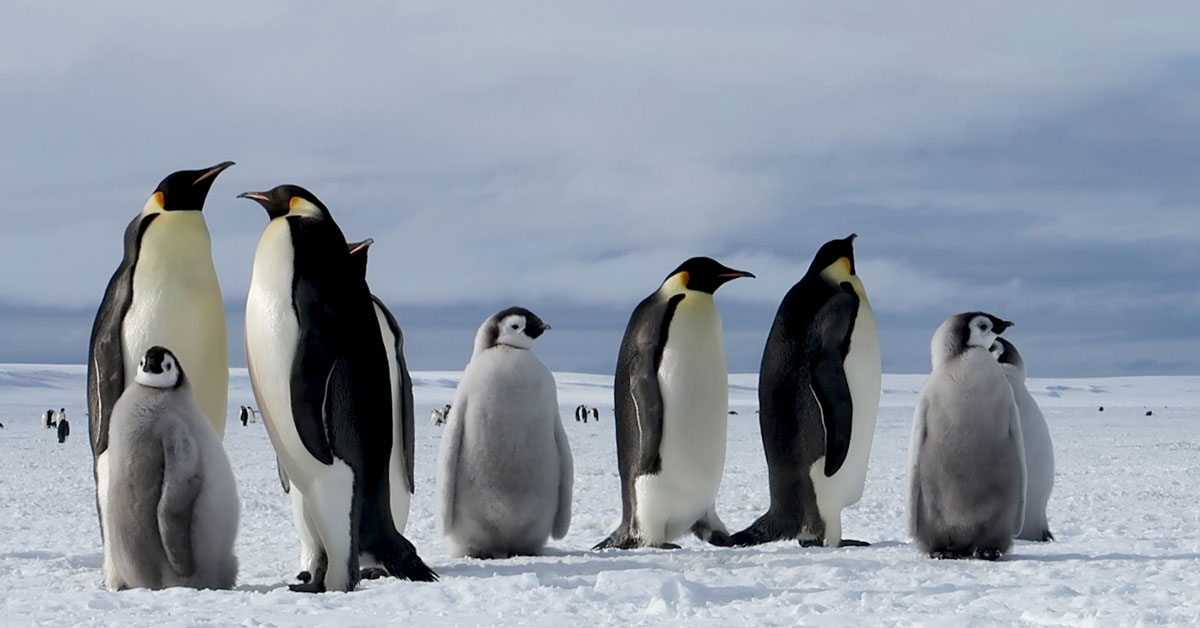 | |
How Penguins Survive in the Cold: Masters of Ice and EnduranceIn the endless white of Antarctica, the wind can howl at 200 miles per hour and temperatures plunge below -60°C (-76°F). It is a place so extreme that few animals dare to live there. And yet, on this frozen frontier, penguins thrive. These birds, dressed in their elegant black-and-white suits, have turned the art of survival in the cold into a way of life. Their story is not just about endurance — it is about community, adaptation, and the quiet brilliance of evolution. The Perfect Feathered Armor Add to this a thick layer of blubber, and you have insulation that allows penguins to dive into icy seas where other creatures would quickly freeze. Some species can swim in waters colder than ice itself, protected by this natural wetsuit. The Power of Huddling Inside these living fortresses, warmth is shared. Each penguin on the outside edge slowly shuffles toward the center, while others rotate outward, ensuring no one freezes. Scientists have measured temperatures in the heart of these huddles as rising above 30°C (86°F), even while the air outside is brutally cold. This cooperation is one of the most remarkable survival strategies in the animal kingdom. Alone, an emperor penguin would perish. Together, they endure. Parenting in the Harshest Place on Earth For two months, in total darkness and blizzard conditions, the fathers fast — not eating a single bite — while protecting the fragile egg. When the chick hatches, the mother returns, belly full of food to regurgitate, and the parents take turns caring for their young. Few acts of devotion in the animal world rival this. Masters of the Sea This ability is not just about hunting fish and krill — it is about survival. In freezing waters, speed means efficiency. The quicker they can feed, the less energy they lose to the cold. Some species, like the Adélie penguin, even leap out of the water in graceful arcs, conserving energy as they swim long distances. Different Penguins, Different Strategies The variety of environments shows just how versatile their cold-survival strategies are. In Patagonia, Magellanic penguins dig burrows for warmth. In South Africa, African penguins huddle in groups, just like their Antarctic cousins. Wherever they live, penguins are proof that nature finds ways to adapt. Lessons from Penguins And perhaps that is why humans find penguins so captivating. They are survivors, but also partners, parents, and communities. They remind us that survival in the harshest conditions is rarely about going alone — it is about standing together, sharing warmth, and enduring side by side. The Silent Heroes of the Ice
When we watch penguins huddle under a blizzard or rocket through icy waters, we are seeing more than survival. We are witnessing a quiet triumph — the ability of life to adapt, endure, and even flourish in the coldest corners of our planet.
via ChatGPT |
Author: Sonya Version: 1 Language: English Views: 0
Picture: Source: https://www.google.com/url?sa=i&url=https%3A%2F%2Fwww.earthtouchnews.com%2Fnatural-world%2Fhow-it-works%2Fhow-do-emperor-penguins-survive-the-icy-antarctic-winter%2F&psig=AOvVaw2Loj83vDSWG8ruNEplxg8N&ust=1755862870022000&source=images&cd=vfe&opi=8997
|
Short link: https://www.sponsorschoose.org/a431
Short link to this version: https://www.sponsorschoose.org/n462
Created by Sonya at 2025-08-21 04:42:16
Last modified by Sonya at 2025-08-22 13:13:54
|