The gallery with all subgalleries and compositions will be permanently deleted and cannot be recovered. Are you sure?
Executing...

Name or e-mail of your friend, to whom the message will be sent:

Please, edit the text of the message you are about to send.

The camouflage skills of chameleons

Sonya

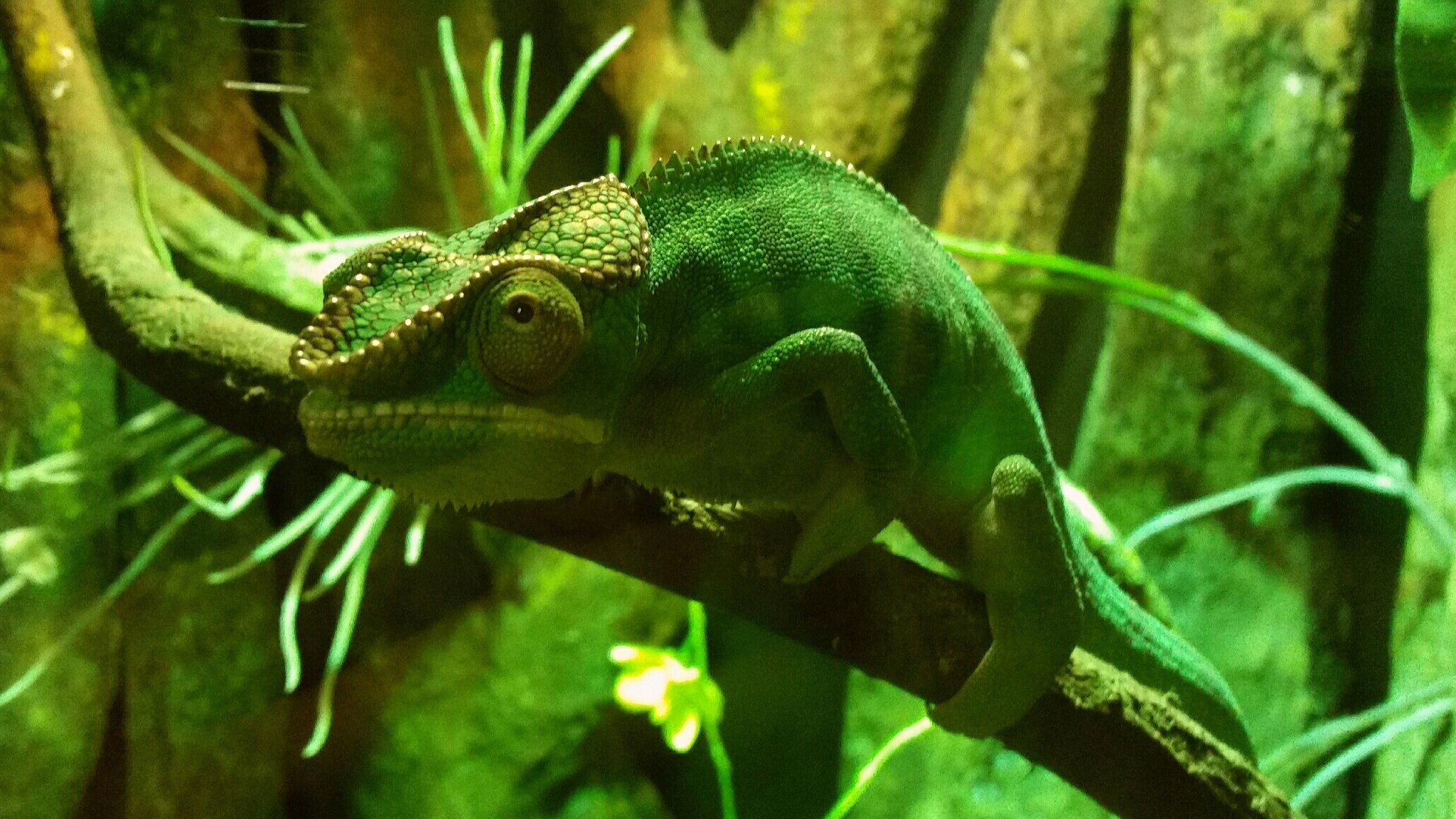
The Camouflage Skills of Chameleons: Masters of Disguise in the Wild

In the dense forests of Madagascar, the leaves shimmer under shifting sunlight. A predator creeps, eyes scanning the branches for movement. Yet just inches away, hidden in plain sight, a chameleon clings to a twig. Its skin mirrors the bark and the moss around it so perfectly that the hunter passes by, unaware of the tiny reptile’s presence. The chameleon, still and patient, survives another day.

Few animals captivate human imagination quite like chameleons. With their swiveling eyes, curling tails, and most famously, their ability to change color, they seem almost magical — little wizards of the animal kingdom. But their camouflage skills are not tricks of fantasy. They are the product of millions of years of evolution, perfected to protect, communicate, and thrive.


The Science Behind the Shift
Contrary to popular belief, chameleons don’t simply change color to “blend in” with any background like a painter mixing pigments. Their skin contains special cells called chromatophores and iridophores. Chromatophores hold pigments of yellow, red, and brown, while iridophores are filled with microscopic crystals that reflect light.

By expanding or contracting these cells, chameleons can manipulate how light bounces off their skin, creating a dazzling spectrum of colors — from earthy browns to brilliant blues and fiery oranges. In essence, they are living canvases, painting themselves anew whenever the situation demands.


Camouflage for Survival
For a chameleon, camouflage is first and foremost about survival. By matching the greens of leaves, the grays of bark, or the shadows of branches, they evade predators like snakes and birds. This ability gives them precious seconds to remain unseen while danger prowls nearby.

But camouflage is not just about vanishing. It is also about patience. Chameleons are ambush hunters. They perch motionless, blending into their environment until an unsuspecting insect flits by. Then, in a flash, their tongue — longer than their own body — shoots out at lightning speed, snaring the prey. The camouflage was not just defense, but offense, the art of invisibility turned into a weapon.


The Language of Color
Yet chameleons don’t change colors only to hide. Their skin is also a form of communication. Bright hues may signal aggression or dominance, especially when males confront rivals. Subtler shades can express submission or calm. During courtship, males often flash bold patterns to attract females, while females shift tones to signal readiness to mate — or to reject unwanted advances.

In this way, the chameleon’s camouflage is not always about blending in. Sometimes it is about standing out, using color as language in a world without words.


Masters of Environment
Chameleons live in diverse habitats — from the lush rainforests of East Africa to the arid landscapes of Yemen and Madagascar. Their camouflage adapts to the environment. Forest chameleons often shift between vivid greens and deep browns, while desert species lean toward sandy yellows and muted grays. Their colors are not random, but perfectly tuned to the landscapes they inhabit.


Beyond the Skin: Other Skills of Stealth
Camouflage is not their only tool. Chameleons move with a slow, rocking gait, mimicking the sway of leaves in the breeze. Their eyes rotate independently, scanning two directions at once, ensuring they can remain still while still being aware of their surroundings. This combination of movement and camouflage turns them into near-perfect phantoms of the branches they inhabit.


Chameleons in Myth and Symbolism
Humans, fascinated by their transformations, have long woven chameleons into folklore. In some African traditions, they are seen as messengers between worlds, their shifting skins symbolizing change and uncertainty. In modern culture, “chameleon” has come to describe anyone who adapts or hides their true self — proof of how deeply these reptiles have imprinted themselves on our imagination.


A Lesson in Adaptability
The camouflage skills of chameleons teach us more than just biology. They reveal the power of adaptability. In a world full of challenges — predators, rivals, changing climates — survival depends not on brute strength, but on flexibility, patience, and the ability to change when the moment demands it.

Perhaps that is why we find them so mesmerizing. Watching a chameleon shift from emerald green to golden yellow feels like watching nature perform a quiet miracle — a reminder that life itself is constantly adapting, transforming, and surviving.


Silent Artists of the Wild
Chameleons do not roar like lions or soar like eagles. Their greatness lies in subtlety — in becoming invisible, in painting themselves with the colors of the world around them. In their silence, they carry a profound message: sometimes the most powerful survival strategy is not to be seen, but to belong so seamlessly to your surroundings that you become part of them.

And so, in the forests, deserts, and highlands where they dwell, chameleons continue their ancient dance of color and shadow, the true masters of camouflage — nature’s quiet artists of survival.


via ChatGPT

Author:   Sonya  Version:  1  Language: English  Views: 0

 Rating:  0 by 0

Picture: Source: https://www.google.com/url?sa=i&url=https%3A%2F%2Fwww.bbc.co.uk%2Fnews%2Ftechnology-58159730&psig=AOvVaw2UpStMe9C5SoJldiuocQMF&ust=1755862981441000&source=images&cd=vfe&opi=89978449&ved=0CBUQjRxqFwoTCNiR_b7pm48DFQAAAAAdAAAAABAT

Short link: https://www.sponsorschoose.org/a432
Short link to this version: https://www.sponsorschoose.org/n463
Created by Sonya at 2025-08-21 04:45:07
Last modified by Sonya at 2025-08-22 13:13:54