The gallery with all subgalleries and compositions will be permanently deleted and cannot be recovered. Are you sure?
Executing...

Name or e-mail of your friend, to whom the message will be sent:

Please, edit the text of the message you are about to send.

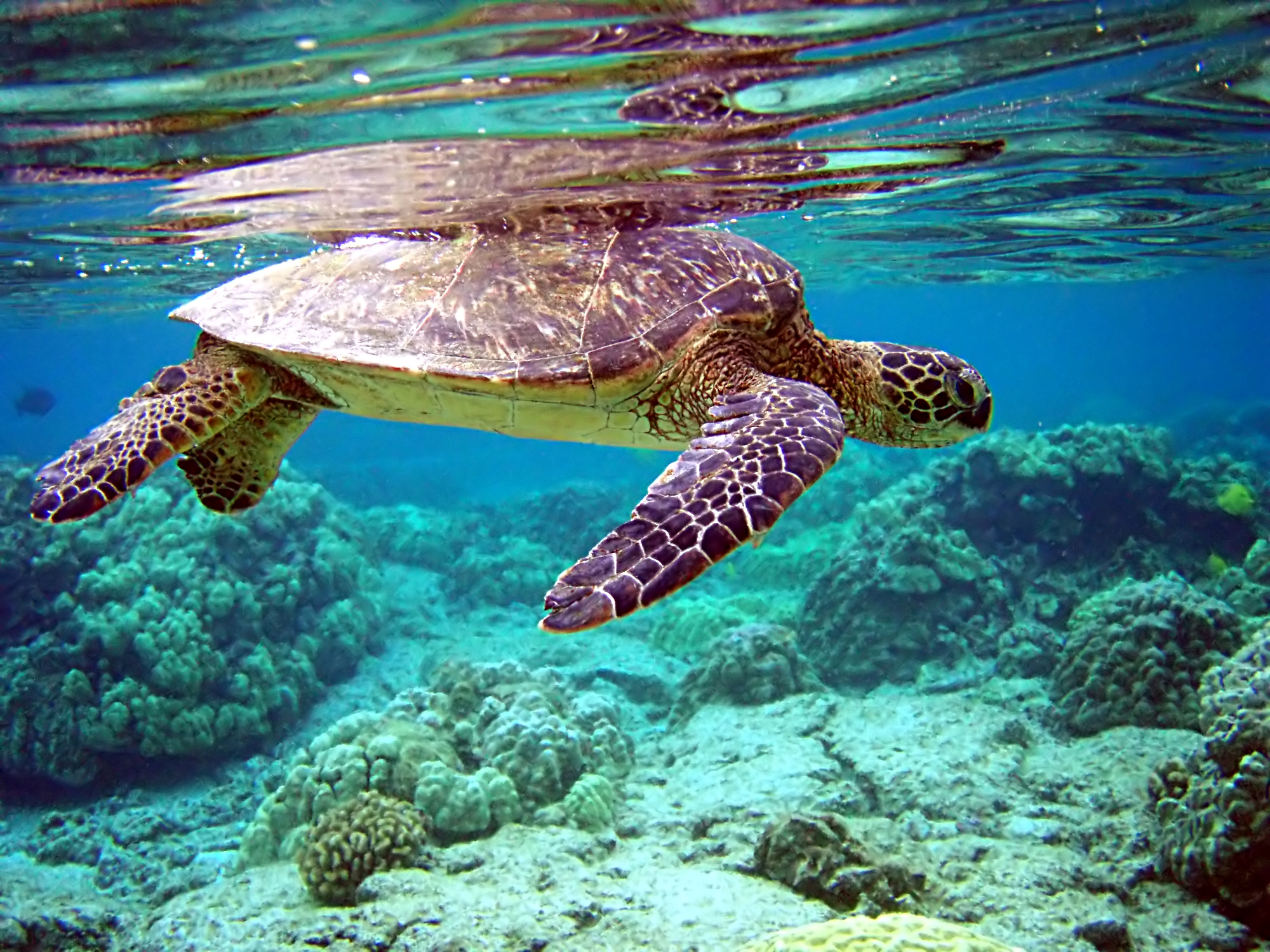
The migration of sea turtles

Sonya

The Migration of Sea Turtles: A Journey Written in the Waves

On a moonlit beach, a tiny creature breaks free from the sand. It is no bigger than a child’s hand, fragile and trembling, yet it scurries instinctively toward the glittering horizon. Behind it lies the nest where dozens of siblings still struggle to emerge. Ahead lies the vast ocean — a realm of predators, storms, and endless distance. Against all odds, this hatchling will swim into the unknown, guided not by sight or experience, but by instincts written into its blood over millions of years.

This is the beginning of one of nature’s most astonishing stories: the migration of sea turtles.


An Ancient Lineage
Sea turtles are among the oldest creatures on Earth, their ancestors gliding through oceans more than 100 million years ago, alongside dinosaurs. Over eons, they evolved a life cycle defined by journeys. They hatch on land, live most of their lives in the open sea, and then — as if pulled by invisible strings — return to the very beaches where they were born.


The First Swim
When hatchlings dash to the surf, survival is uncertain. Birds circle overhead, crabs wait along the shore, and fish lurk in shallow waters. Only about one in a thousand hatchlings will survive to adulthood. Yet those that do embark on a migration that can span entire oceans.

Take the loggerhead turtle, for example. After hatching on the beaches of Florida, young loggerheads ride ocean currents across the Atlantic, drifting for years in the Sargasso Sea, a floating meadow of seaweed where they feed and grow. When they mature, they leave those safe waters and begin vast migrations, often crossing back to the very coasts they left as hatchlings.


The Epic Return
Perhaps the most extraordinary aspect of sea turtle migration is their return to natal beaches. A female green turtle that hatched decades earlier in Costa Rica may swim thousands of miles, navigating storms, currents, and predators, to return to that same strip of sand. Scientists believe sea turtles use a kind of magnetic map — detecting Earth’s magnetic field to guide them across open seas. It is as though they carry a compass engraved in their very bones.

When the female finally drags herself ashore, she digs a nest with her flippers and lays her eggs in the sand — beginning the cycle anew. She may travel thousands of miles again, repeating this pilgrimage several times in her lifetime.


The Scale of the Journey
Different species undertake different migrations:

  • Leatherback turtles, the largest of all, can cross oceans, swimming from the Caribbean to the icy waters off Canada or even Europe. Their journeys may exceed 10,000 miles in a single year.

  • Hawksbill turtles migrate through coral reefs across tropical oceans, helping maintain reef health as they feed on sponges.

  • Olive ridley turtles are famous for their synchronized arrivals, called arribadas, when tens of thousands of females come ashore together in mass nesting events.

Each migration is both a personal journey and a contribution to the greater rhythm of ocean life.


Why Migration Matters
The migration of sea turtles is not just a marvel — it is essential to ecosystems. By traveling vast distances, turtles connect different parts of the ocean. Green turtles graze on seagrass, keeping it healthy for fish. Hawksbills protect coral reefs. Even turtle eggs, when some are eaten by predators, provide nutrients that sustain coastal ecosystems.

Their migrations weave threads between ecosystems that might otherwise remain separate, making sea turtles true gardeners of the seas.


The Modern Threats
But these journeys, perfected over millennia, are now endangered. Climate change warms the sand where eggs incubate, skewing sex ratios (since temperature determines whether hatchlings are male or female). Coastal development destroys nesting beaches. Fishing nets trap turtles during migration. Plastic pollution — bags mistaken for jellyfish — threatens their survival.

Each barrier is like a broken link in the ancient chain of migration. If the chain snaps, entire ecosystems may unravel.


Why Their Story Inspires Us
There is something deeply symbolic in the migration of sea turtles. They embody endurance, returning across impossible distances to the place of their beginnings. Their story speaks to resilience, to memory, to the power of instinct stronger than fear.

Perhaps that is why people feel a sense of awe when watching hatchlings scramble toward the sea, or a giant leatherback heave itself ashore under a starlit sky. We recognize, in their journeys, a universal truth: that life is both fragile and determined, both vulnerable and astonishingly persistent.


Guardians of the Ocean’s Future
Protecting sea turtles means protecting the seas themselves. Conservation projects worldwide now guard nesting beaches, reduce bycatch with turtle-friendly fishing gear, and clean plastic from coasts. Communities gather to release hatchlings, watching as they vanish into the surf — each one a tiny ambassador of hope.

For as long as they survive, sea turtles remind us of the ocean’s grandeur and its fragility. They remind us that even the smallest creature, armed with instinct and determination, can cross the greatest distances.


The next time you stand by the shore and watch the waves, think of the turtle beneath them, swimming silently on a journey across the world — returning, one day, to the sand where it all began. Their migration is not only a story of survival. It is a story of memory, endurance, and the deep, mysterious pull of home.


via ChatGPT

Author:   Sonya  Version:  1  Language: English  Views: 0

 Rating:  0 by 0

Picture: Source: https://www.google.com/url?sa=i&url=https%3A%2F%2Fen.wikipedia.org%2Fwiki%2FSea_turtle_migration&psig=AOvVaw0V7Z0aXnJzXpPmnNJfTLaP&ust=1755862764036000&source=images&cd=vfe&opi=89978449&ved=0CBUQjRxqFwoTCPC8s9Tom48DFQAAAAAdAAAAABAE

Short link: https://www.sponsorschoose.org/a430
Short link to this version: https://www.sponsorschoose.org/n461
Created by Sonya at 2025-08-21 04:40:25
Last modified by Sonya at 2025-08-22 13:13:54