| Edit | Map | Home |  |
New Post | New Gallery |
Support
|

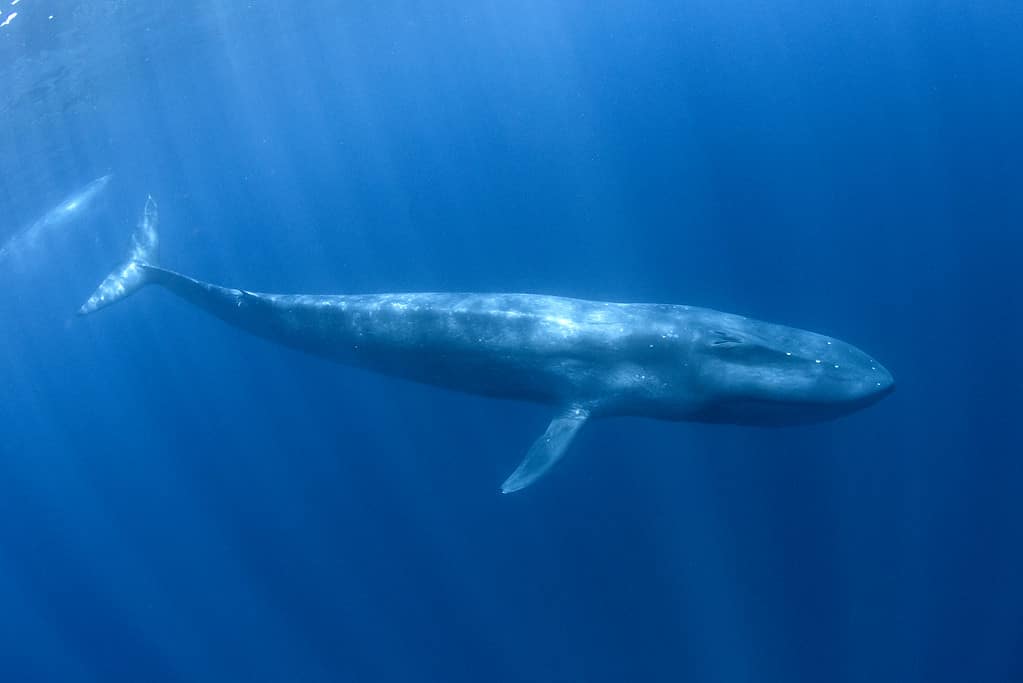 | |
The World’s Largest Mammals: Giants of Land and SeaImagine standing on the shore of the open ocean, the waves rolling in with endless rhythm. Suddenly, a massive shape breaches the water. Its body is longer than three school buses lined end to end, and its sheer presence seems almost unreal. You are witnessing the blue whale, the largest animal ever to have lived on Earth. The blue whale alone can weigh as much as 30 elephants, and its heart is roughly the size of a small car. The blue whale reigns supreme in the oceans, but on land, there are giants of another kind — elephants. These gentle titans roam the savannas and forests of Africa and Asia, their trunks swaying, ears flapping like sails. An adult male African elephant can reach up to 13 feet tall at the shoulder and weigh more than 12 tons. Their size is a marvel of evolution, a balance between strength, endurance, and intelligence. Why Size Matters On land, elephants use their size differently. Their towering bodies allow them to reach high branches for food, push over trees to create new paths, and defend themselves against predators. Their size also supports complex social behavior — matriarchs lead herds, protect calves, and pass down knowledge about water sources, migration routes, and seasonal changes. Life in the Shadows of Giants The largest land predators, like lions or tigers, can’t bring down adult elephants, so these mammals live with a rare combination of power and vulnerability. Conservation efforts are crucial; even creatures this immense can be imperiled by human activity, poaching, and habitat loss. Other Giants of the Mammal World On land, the hippopotamus surprises many with its size. Despite a seemingly sedentary lifestyle, hippos weigh up to 4 tons and are considered one of Africa’s most dangerous animals due to their strength and territorial behavior. Similarly, the giraffe, while not as heavy as elephants, is the tallest mammal, using its long neck to browse treetops inaccessible to other herbivores. The Wonders of Size A Reminder of Life’s Grandeur And perhaps most importantly, they remind us of our responsibility. Protecting these colossal creatures ensures that the next generation can experience the wonder of standing beside giants — creatures whose existence stretches the boundaries of what we believe is possible in the natural world.
via ChatGPT |
Author: Sonya Version: 1 Language: English Views: 0
Picture: Source: https://www.google.com/url?sa=i&url=https%3A%2F%2Fa-z-animals.com%2Fanimals%2Flists%2Ffrom-blue-whales-to-titan-beetles-a-comprehensive-guide-to-the-worlds-largest-animals%2F&psig=AOvVaw25m4iGSEoltJFoSxf3Pwss&ust=1755863150672000&source=images&cd=vfe
|
Short link: https://www.sponsorschoose.org/a433
Short link to this version: https://www.sponsorschoose.org/n464
Created by Sonya at 2025-08-21 04:49:02
Last modified by Sonya at 2025-08-22 13:13:54
|