The World’s Most Beautiful National Parks: Nature’s Greatest Sanctuaries
There’s something magical about stepping into a national park. It feels like crossing a threshold — from the built world of concrete and noise into landscapes where nature still rules. These parks are more than just tourist destinations; they are sanctuaries for wildlife, time capsules of ancient landscapes, and living works of art sculpted by wind, water, and time. Across the globe, national parks protect some of the most breathtaking places on Earth. Let’s wander through a few of them.
Yellowstone National Park, USA – The First of Its Kind
In 1872, Yellowstone became the world’s very first national park, and it remains one of the most astonishing. Here, geysers erupt with boiling water, hot springs shimmer in surreal colors, and herds of bison roam as they did centuries ago. Wolves prowl the valleys, grizzlies wander the mountains, and the sheer variety of landscapes — from waterfalls to vast canyons — reminds visitors why this was the park that sparked a global movement.
Banff National Park, Canada – Mountains and Ice
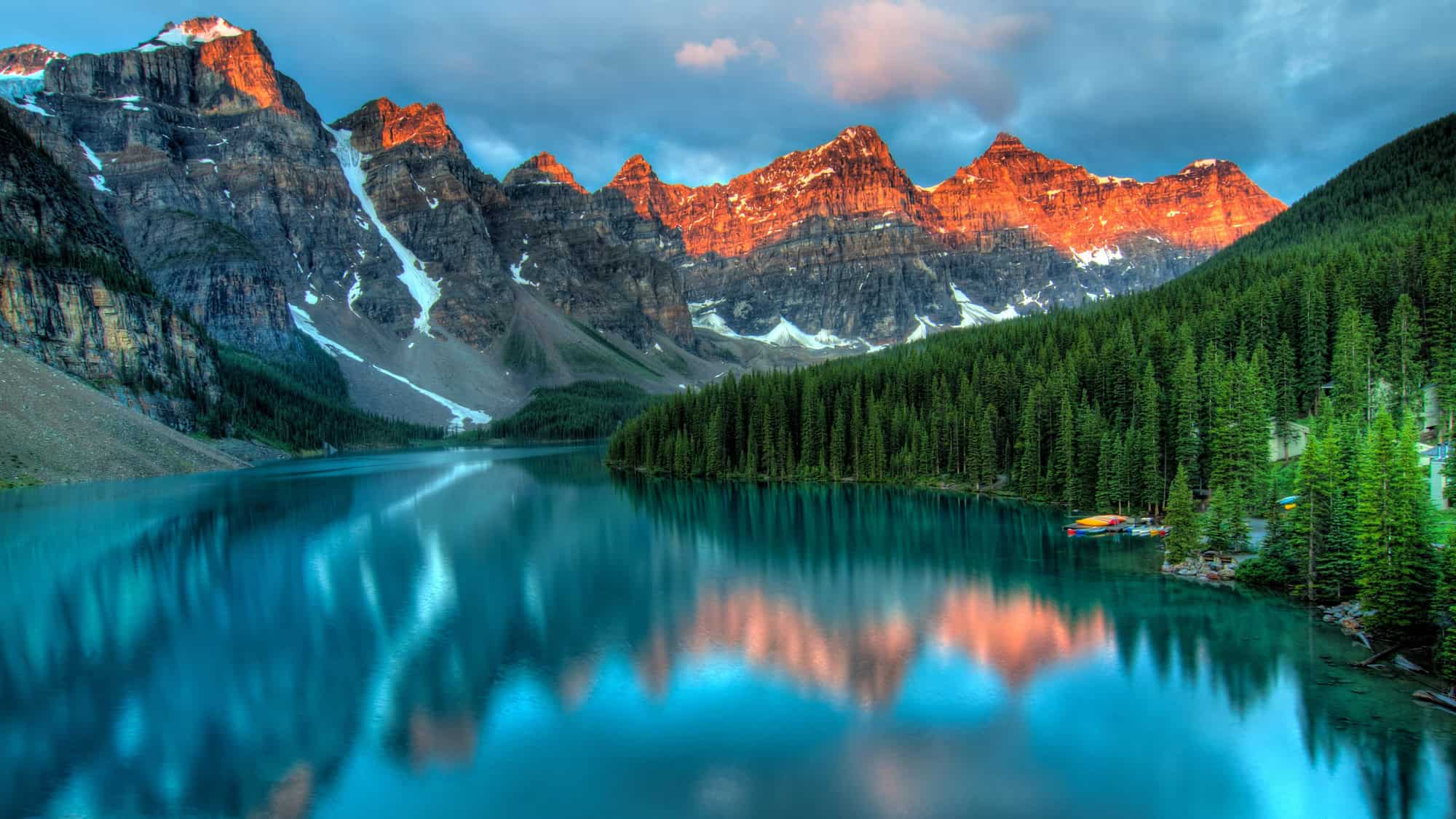
Tucked deep in the Canadian Rockies, Banff is a wonder of glaciers, turquoise lakes, and jagged peaks. Lake Louise, with its emerald waters framed by snowcapped mountains, looks almost unreal. Wildlife thrives here, too: elk, moose, mountain goats, and bears call this park home. Whether blanketed in winter snow or bursting with summer wildflowers, Banff captures the wild beauty of the north.
Torres del Paine National Park, Chile – The Edge of the World
At the southern tip of South America, Patagonia feels like Earth before humans. Torres del Paine is the crown jewel — a land of towering granite spires, endless windswept plains, and shimmering blue glaciers. Guanacos (relatives of llamas) graze in the valleys while condors circle overhead. To hike here is to feel dwarfed by scale, as though walking inside a painting where sky and earth merge.
Serengeti National Park, Tanzania – The Great Migration
Few places capture the drama of life and death like the Serengeti. Every year, over a million wildebeests and zebras thunder across the plains in search of greener pastures, chased by lions, cheetahs, and crocodiles waiting in rivers. The Serengeti is raw and untamed — a living reminder of what the world looked like before fences and cities. Watching a sunrise over the savanna, with silhouettes of giraffes and elephants, is a memory that never fades.
Kruger National Park, South Africa – Where Wildlife Rules
One of the largest and most famous reserves in Africa, Kruger offers a chance to encounter the "Big Five": lions, leopards, elephants, rhinos, and buffalo. But beyond the big names, Kruger is alive with hundreds of species of birds, antelope, reptiles, and more. It is a reminder that a national park is not just about landscapes, but about life itself — in all its wild, unpredictable beauty.
Fiordland National Park, New Zealand – Land of Mist and Waterfalls
Fiordland is a place where mountains rise straight out of the sea, waterfalls plunge hundreds of meters, and mists roll through valleys like whispers. Milford Sound, its most famous fjord, is often called the "eighth wonder of the world." This is Middle-earth brought to life — a land so dramatic it feels like stepping into a fantasy novel.
Banjaran Titiwangsa & Gunung Mulu, Malaysia – Rainforest Wonders
Southeast Asia’s rainforests are among the oldest in the world, and Malaysia’s national parks protect landscapes rich in mystery. Gunung Mulu is famous for its limestone caves — some of the largest on Earth — where millions of bats stream out at dusk in black rivers across the sky. Beyond the caves, jagged peaks, hidden waterfalls, and ancient forests teem with rare plants and animals.
Sagarmatha National Park, Nepal – Roof of the World
High in the Himalayas, Sagarmatha is home to Mount Everest. The landscapes here are stark and breathtaking: icy rivers, towering peaks, and valleys dotted with monasteries and prayer flags. Yaks graze on high pastures while snow leopards remain hidden in the shadows. To hike here is not only to experience natural grandeur but also to witness the deep spiritual connection people have with the mountains.
Great Barrier Reef Marine Park, Australia – An Ocean of Color
Not all national parks are on land. Off the coast of Australia lies the world’s largest coral reef system, a kaleidoscope of life beneath the waves. Coral gardens stretch for thousands of kilometers, sheltering turtles, reef sharks, clownfish, and countless other creatures. It is a reminder that Earth’s beauty doesn’t end at the shoreline — sometimes the most dazzling worlds are underwater.
Jiuzhaigou Valley National Park, China – Colors of a Dream
Tucked in the mountains of Sichuan, Jiuzhaigou is a place of fairy-tale beauty. Its lakes shimmer in brilliant shades of blue and green, reflecting snowcapped peaks. Waterfalls cascade through forests, and Tibetan villages nestle quietly among them. It is a place that feels almost otherworldly, where every turn reveals another jewel-like vista.
A World of Wonders
From the frozen wilderness of Alaska to the volcanic landscapes of Iceland, from Kenya’s Amboseli to Peru’s Manu, national parks around the globe protect the extraordinary diversity of our planet. They are refuges for wildlife, lungs for our atmosphere, and sanctuaries for the human spirit.
To walk through a national park is to be reminded of something essential: that the world is vast, wild, and beautiful beyond measure. And that, perhaps, our greatest responsibility is to ensure these places remain — not just for us, but for every generation yet to come.
via ChatGPT |