| Edit | Map | Home |  |
New Post | New Gallery |
Support
|

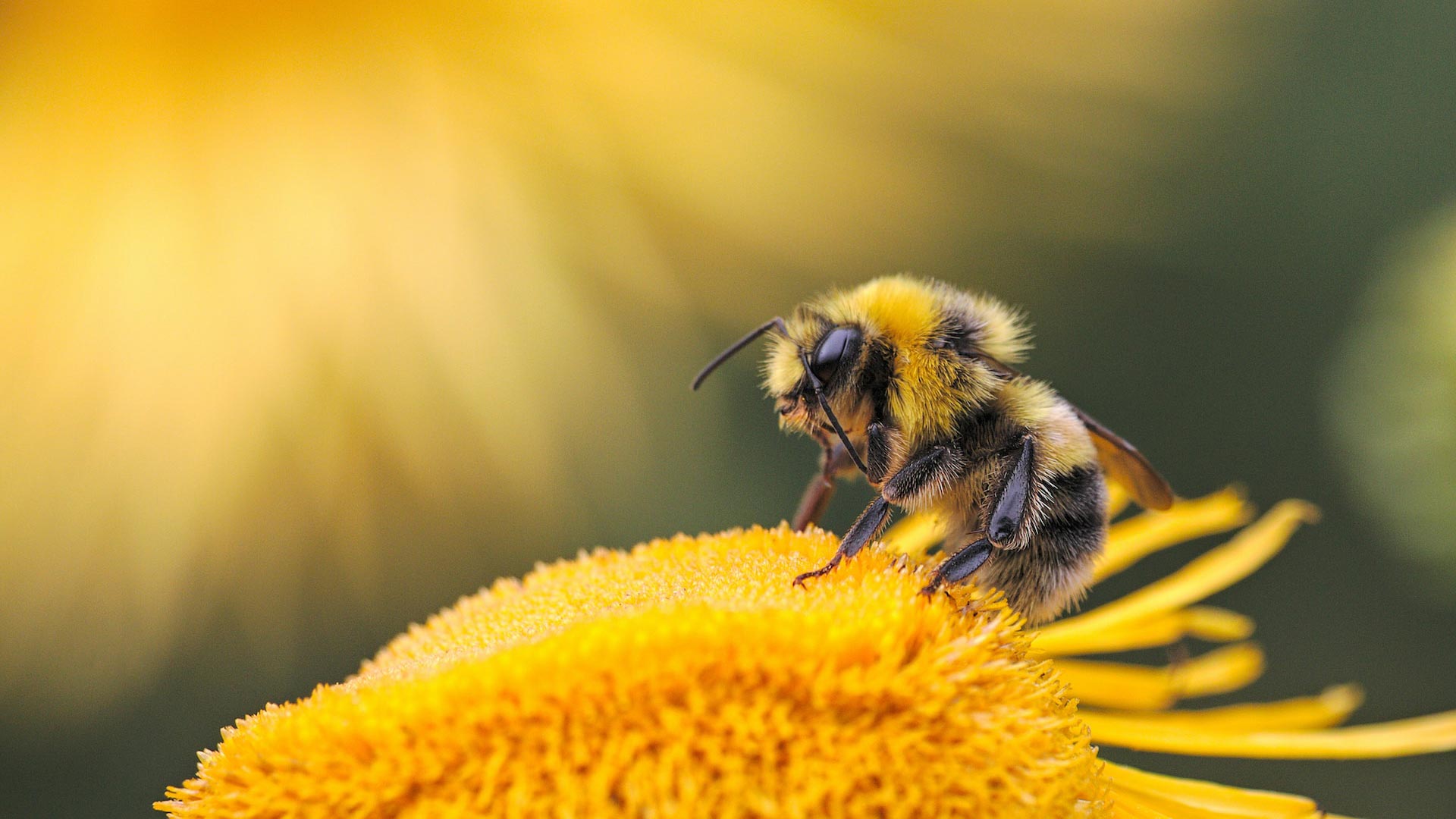 | |
Why Bees Are Essential for Our Survival: The Tiny Guardians of LifeIf you close your eyes and imagine a summer meadow, what do you hear? The rustle of grass, the call of birds — and, inevitably, the soft, steady buzz of bees. They move from flower to flower, wings humming at incredible speed, carrying golden dust on their legs. To the casual observer, they seem small, almost ordinary. Yet these tiny creatures are among the most important lifeforms on Earth. Without bees, the world as we know it would collapse. The Work of Pollination It’s not just about wildflowers. About one-third of the food we eat depends on pollinators like bees. Apples, almonds, cucumbers, berries, coffee — even cotton for our clothes — all rely on pollination. Imagine breakfast without fruit, lunch without vegetables, or even dinner without spices. Without bees, human diets would shrink, agriculture would suffer, and economies would stumble. Bees and Human Civilization But beyond symbolism, bees gave us something precious: honey. More than food, it was the world’s first sweetener, a medicine, and even an offering to gods. Beekeeping spread across civilizations, binding humans and bees in a quiet partnership. A Superorganism at Work Inside, every bee has a role: workers forage and care for larvae, drones mate with the queen, and the queen herself lays thousands of eggs. They communicate through the waggle dance, a precise movement that tells other bees where to find food. It is a language of rhythm and geometry, an evolutionary marvel hidden in plain sight. This cooperation, this seamless unity, allows a colony to thrive. And in turn, it allows ecosystems around them to flourish. The Crisis of Decline The loss of bees is not just an ecological tragedy. It is a human one. Fewer bees mean fewer crops, higher food prices, and fragile food systems. It is no exaggeration to say that protecting bees is protecting ourselves. Why They Matter Beyond Food Bees are also indicators of environmental health. When bee populations falter, it’s often a sign that landscapes are poisoned, fragmented, or unbalanced. In saving bees, we are really saving the wider web of life — and the conditions we depend on to survive. The Symbol of Interconnection Protecting the Guardians The Buzz That Sustains Us If they vanish, much of the richness of our world vanishes with them. If they thrive, so do we.
So the next time you hear that faint buzz drifting across a summer field, pause for a moment. Behind it lies the rhythm of life itself — a song older than civilization, a song we cannot afford to lose.
via ChatGPT |
Author: Sonya Version: 1 Language: English Views: 0
Picture: Source: https://www.google.com/url?sa=i&url=https%3A%2F%2Fearthshotprize.org%2Fnews%2Fbee-kind-10-ways-to-help-protect-bees-and-give-nature-a-boost%2F&psig=AOvVaw0XRUqUjb_55MS5fd6GdvGE&ust=1755862646782000&source=images&cd=vfe&opi=89978449&ved=0CBUQjRxqFwoTC
|
Short link: https://www.sponsorschoose.org/a429
Short link to this version: https://www.sponsorschoose.org/n460
Created by Sonya at 2025-08-21 04:38:30
Last modified by Sonya at 2025-08-22 13:13:55
|